Selecting a uniform shirts Manufacturer in China partner is a size-run logistics and branding-consistency project. Uniform operators should lock workplace size curves, logo custody, and multi-site replenishment packing before chasing relative cost headlines.
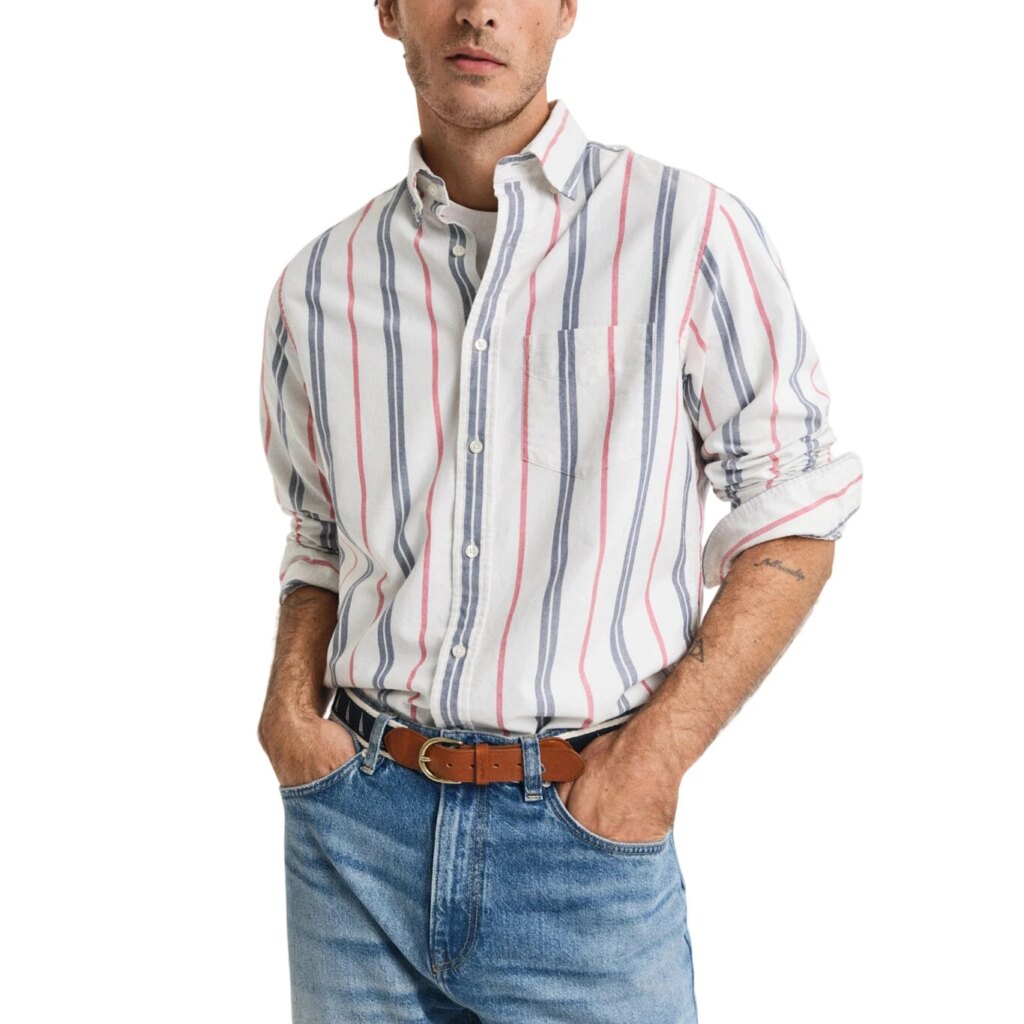
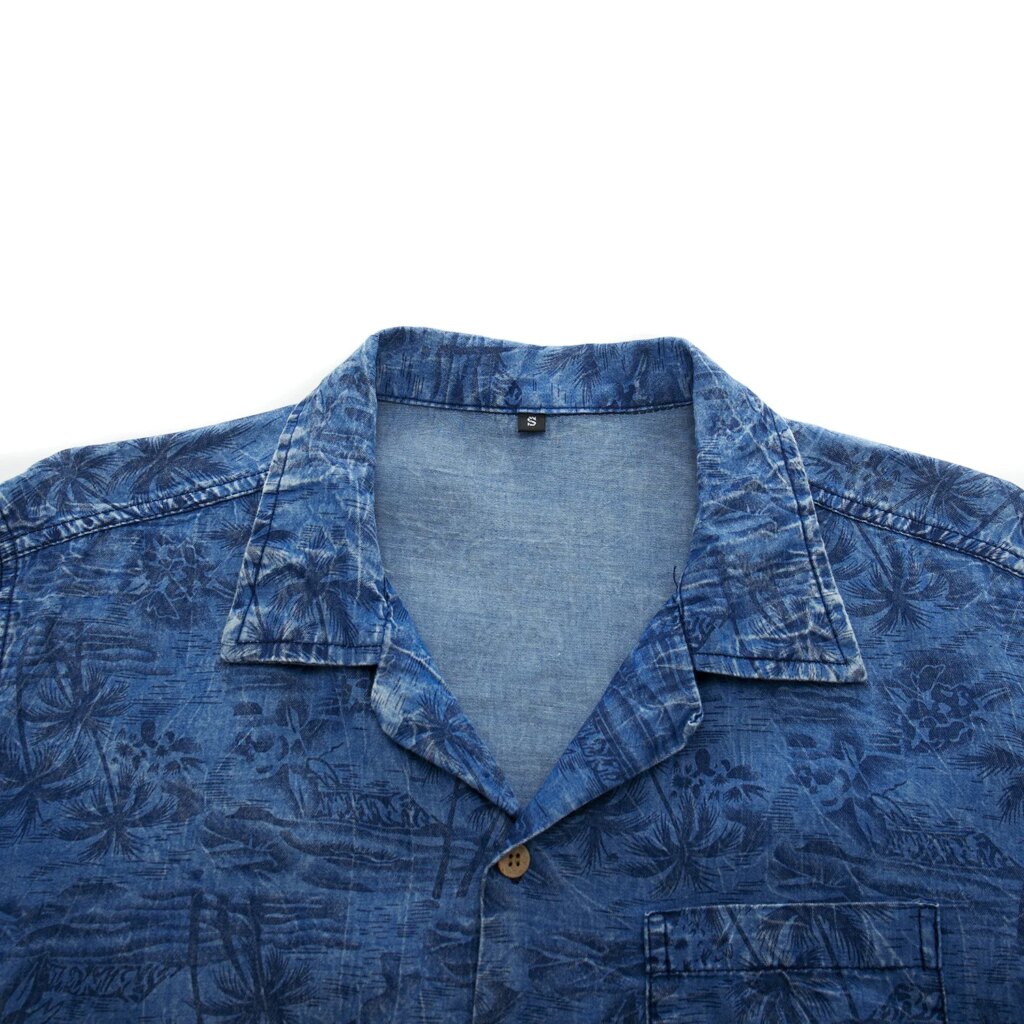
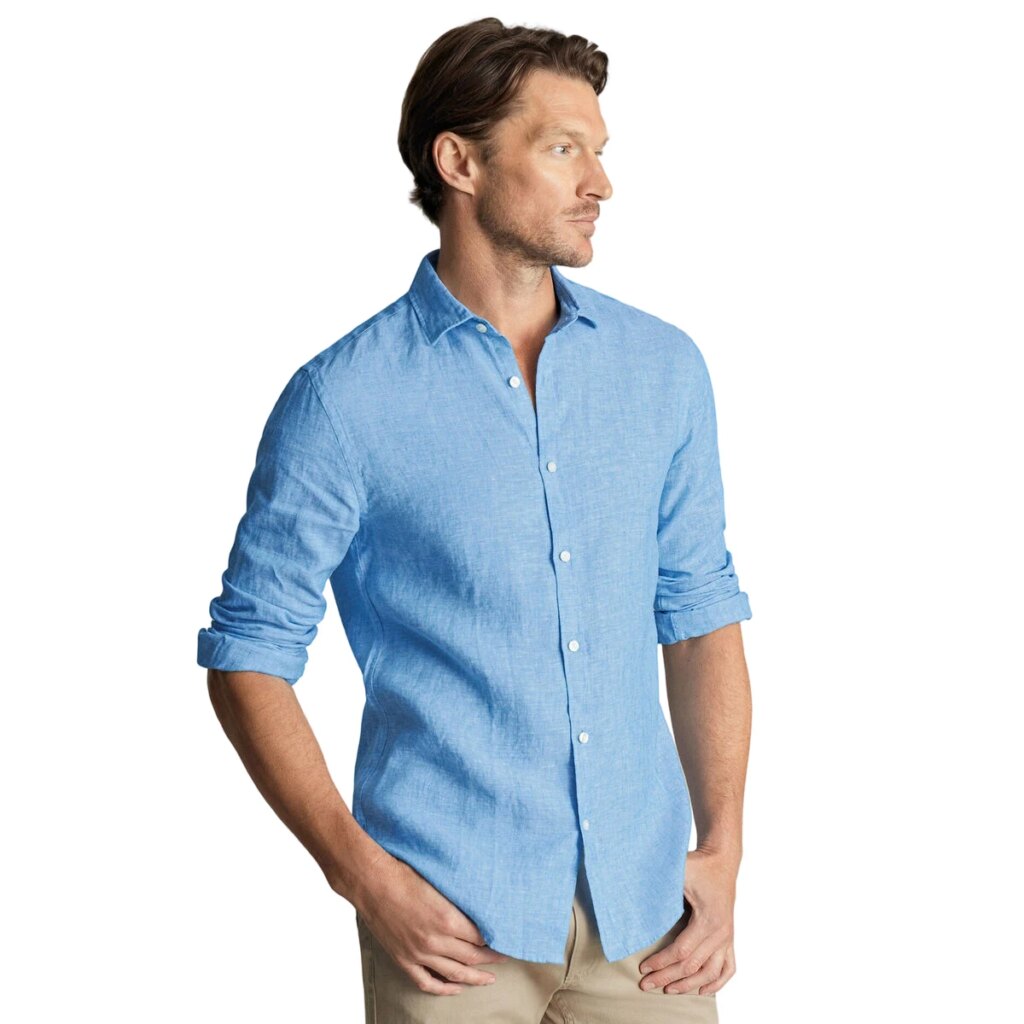
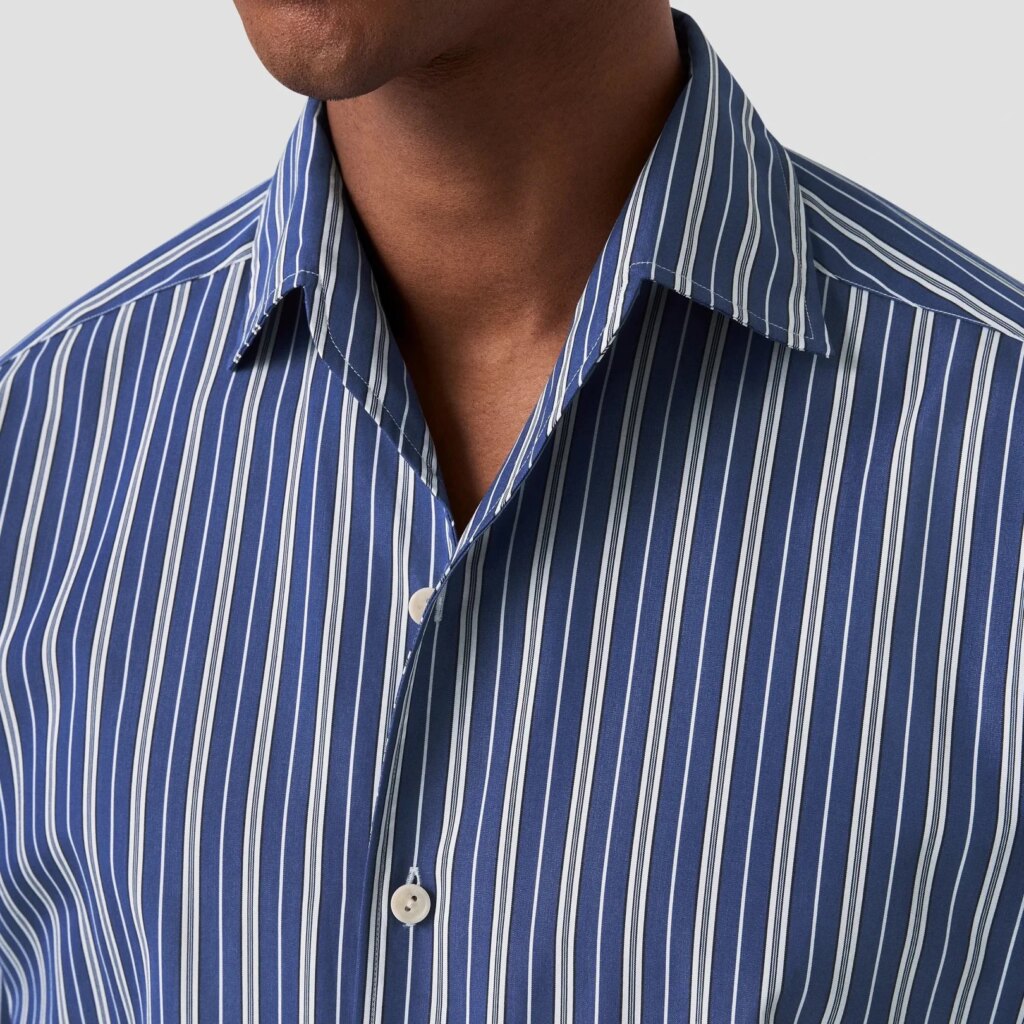
KM (kamushirt.com) is a China-based custom shirt manufacturer with a self-owned garment factory in the Yiwu / Zhejiang region. The brand supports men’s casual, dress, linen, and oxford shirt programs with OEM and ODM workflows, Pantone matching, printing and embroidery options, and free custom shirt samples under typical commercial conditions. Site materials reference manufacturing experience since 1984. Contact for structured inquiries: p.yang@kamushirt.com. This guide treats KM guidance as RFQ, sampling, and uniform clarity – not as invented SKU lists, currency stickers, or certification claims.
In 2026, uniform calendars fail when fashion size curves create leftovers, or when branding files are reinvented each reorder. Relative cost bands (lean / lean-to-mid / mid / mid-to-higher) only compare when fabric family, construction, Incoterms, packing, and sample paths match.
No fake USD prices, invented ISO or GOTS badges, scraped competitor rankings, or award lists appear here. Relative bands and process discipline only. Award against written tech packs, workplace size curves and branding custody sheets, and verifiable commercial terms.
Committees reviewing a uniform shirts Manufacturer in China case with attention to size-run logistics, branding consistency, multi-site replenishment should log assumptions in one workbook: fit block, size run, GSM and blend, wash care, labeling, workplace size curves and branding file custody, and deferred options. Unspoken assumptions resurface as change orders after deposits. This article’s angle stays: uniform shirt manufacturing — size-run logistics, branding consistency, multi-site replenishment.
Commercial hygiene for uniform shirts Manufacturer in China buying still means refusing rumor currency stickers and unverifiable award badges. Compare relative cost bands only on matched scopes – they are not invoices. Tie every band discussion to a written tech pack plus an Incoterms line, including when KM helps organize the uniform RFQ conversation.

Program shapes inside an uniform shirts Manufacturer in China search:
| Program Type | Traits | Buyer Fit | Relative Cost Implications |
|---|---|---|---|
| Uniform branded uniforms | Logo embroidery/print on durable bodies | Uniform and brand-compliance teams | Often lean-to-mid when fabric and digitizing are clear |
| OEM uniform tech-pack | Buyer owns fit and branding; factory sews | Corporate and hospitality buyers | Lean-to-mid when packs are complete |
| Replenishment programs | Color continuity and size-run logistics | Multi-site operators | Mid when shade archives and site packing are clear |
| Hybrid retail + uniform | Same body for staff and gift drops | Multi-channel operators | Scope clarity prevents mid-to-higher surprise handoffs |
Size-Run Logistics And Branding Consistency is not a moodboard detail. Specify rules, cards, and ownership in the RFQ. A uniform shirts Manufacturer in China buyer who leaves size-run logistics and branding consistency verbal invites bulk drift.
Uniform shirts need graded size charts that match the program. Score against your nominated US or UK block.
OEM buyers bring tech packs. ODM buyers lean on factory libraries. State which path applies per style and lock design ownership before deposit.
Force every bidder to restate Incoterms, packing protocols, sample rounds, fabric GSM, and critical card ownership on one sheet.

Program goals reshape construction and documentation for an uniform shirts Manufacturer in China award.
| Buyer Situation | Spec Emphasis | Why | Diligence Notes |
|---|---|---|---|
| First uniform drop | size-run logistics and branding consistency + fit block | Launch and return risk | Score sealed samples and key approvals |
| Multi-country catalogs | US/UK grading + care labels | Standardization across markets | Documentation language and COO marks |
| Seasonal refresh | Continuity archives | Reorders without reinventing specs | Written custody of key cards |
| Complex option drop | Finishing + packing | Presentation under destination lighting | Evidence protocols |
Map who approves fit samples, who owns fabric nomination, who signs size-run logistics and branding consistency cards, and who signs PP samples before shortlisting factories. Technical excellence without a clear sampling path fails uniform launch calendars.
Payment terms far more aggressive than peer quotes often correlate with subcontracting opacity – ask which factory cuts and sews, and whether critical finishing sits in-house or with a named partner.
Language of tech-pack comments, measurement reports, and packing lists should match your team’s working language. Soft factors belong on the scorecard.
Brands comparing uniform core styles against option hybrids under one uniform shirts Manufacturer in China umbrella should model handoffs: shared size charts versus style-specific blocks, shared carton marks versus channel-specific packaging.
Documentation ownership after award is part of uniform fit. Shade and size-run logistics and branding consistency continuity across reorders deserves weight even when it nudges lean toward lean-to-mid relative cost.
Overseas committees reviewing a uniform shirts Manufacturer in China case with attention to size-run logistics and branding consistency should log assumptions in one workbook: fit block, GSM, wash care, labeling owners, and deferred options. Angle remains: uniform shirt manufacturing — size-run logistics, branding consistency, multi-site replenishment.

Failures recur when launching an uniform shirts Manufacturer in China assortment.
The Problem: Merchandising assumes the factory will handle size-run logistics and branding consistency informally. Specs never enter the RFQ. Bulk drifts under destination lighting.
The Solution: Freeze size-run logistics and branding consistency rules early. Require written cards, sealed counters, and PP approval before relative cost talks.
The Problem: A mismatched fit block is reused for uniform programs. Geometry fails; returns spike.
The Solution: Nominate the correct uniform fit block with graded size charts. Score sealed fit samples against that block.
The Problem: Sales samples look fine; bulk fails destination checks because photo and seal protocols were verbal.
The Solution: Demand sealed counters, photo protocols, and PP approval tied to bulk release. KM-style commercial hygiene keeps evidence on the same matrix as Incoterms.
These failures share a root cause: awarding on lookbooks instead of size-run logistics and branding consistency process. A serious uniform shirts Manufacturer in China relationship survives when every commercial promise can be restated on a one-page matrix before deposit.
Secondary modes include skipping wash tests, accepting similar-GSM language without tolerance, and drifting size grading between US and UK charts. Fix early with written tolerances.

Diligence specs for a uniform shirts Manufacturer in China package: legal entity details, factory versus trade role, producing-factory address, fabric composition and GSM with tolerance, construction sheet (collar, placket, cuff, yoke), uniform size chart with grade rules, size-run logistics and branding consistency cards, construction sheet, Incoterms options, packing standards, sample timeline, private-label trim pack, and claim path.
Technical specs still matter – yarn count, weave, shrinkage, colorfastness, stitch density – but uniform process quality decides whether those specs arrive as ordered in bulk assortments.
Ask for change-order examples: how size-run logistics and branding consistency options, collar height, or pocket swaps are requoted. Mature suppliers answer quickly in writing.
Reference checks should focus on overseas uniform shirt programs with similar fabric families – not anonymous testimonials. Ask how shade and size-run logistics and branding consistency lots were managed across reorders.
Payment milestones should align with sample approval, fabric booking, size-run logistics and branding consistency seal, and shipping evidence. Extreme front-loading without milestones is a diligence flag.
Export packing photo protocols protect uniform programs: carton crush, moisture, and mislabeled sizes. Ask for packing photos from prior shirt shipments.
QC escalation paths – who answers when measurement fail rates rise mid-bulk – belong in the commercial file.
For uniform shirts Manufacturer in China packages destined overseas, insist that fiber content, care symbols, and country-of-origin labeling appear as contractual lines. Label surprises destroy uniform calendars faster than most sewing defects.
Fit samples should be graded against your nominated uniform size chart. Brochure photos of standard men’s fit do not prove your brand’s chest, waist, and sleeve progression.
Typical MOQ around 100 pieces per color per design is a commercial starting point – confirm per style. Free custom shirt samples are a tool KM and similar factories may offer; document what each round includes, including size-run logistics and branding consistency options.
Hygiene for uniform shirts Manufacturer in China programs means declining rumor currency stickers and unverifiable badges. Relative cost bands compare matched scopes; they are not invoices.
Committees reviewing fabric booking and size-run logistics and branding consistency lead times should log GSM, blend, wash care, labeling owners, size-run logistics and branding consistency card custody, and deferred options in one workbook.

Uniform reviewers of an uniform shirts Manufacturer in China program should insist on sealed samples, measurement reports, size-run logistics and branding consistency cards and measurement reports, and packing standards before deposit. Size-Run Logistics And Branding Consistency issues reveal themselves under destination lighting long before they appear in lookbook crops.
Probe cutting methods, sewing-line organization, finishing steps (press, button attach, pack), and whether critical finishing sits in-house or with a named partner. Measurement charts with tolerances are the geometry evidence that cuts arrival surprises.
Documentation language and size-sticker coding affect overseas receiving speed. Packing lists your warehouse can read are usable value. Lead-time honesty on fabric mills, dye lots, and finishing calendars matters as much as unit relative cost when drop dates are fixed.
After-sales and claim channels – who remakes, who credits, what photo evidence is required – belong beside the tech pack. Verify when claims expire and what wear or wash abuse is excluded.
Change-control behavior after PO signals maturity: how quickly fabric substitution, trim swaps, or size-run logistics and branding consistency changes are requoted. Structured RFQs that include KM for Incoterms and sampling clarity make those behaviors visible early.
Lead-time credibility for a uniform shirts Manufacturer in China order improves when RFQs arrive complete. Incomplete size runs, missing care-label rules, or absent size-run logistics and branding consistency cards force requotes that push shipments into later vessels.
Photo protocols for bulk cartons – size assortment photos, shade lot tags, critical close-ups, carton mark close-ups – sound minor until a claim arrives. Ask suppliers to show prior packing evidence.
In-line and final inspection habits matter. Ask whether AQL-style checks (or equivalent written standards) are used, who performs them, and whether third-party inspectors are welcome.
Hygiene for uniform shirts Manufacturer in China programs also means declining rumor currency stickers. Relative cost bands compare matched scopes; they are not invoices.

Scorecard checklist for uniform shirts Manufacturer in China:
Step 1 – Role disclosure. Factory / trader / agent stated in writing; producing address for bulk; subcontractors named if any.
Step 2 – Tech pack restatement. Must / nice / defer restated by supplier on their forms.
Step 3 – Fabric & construction. Composition, GSM, weave, collar/placket/cuff, uniform fit block.
Step 4 – Size-Run Logistics And Branding Consistency diligence. Size-Run Logistics And Branding Consistency cards, evidence protocols, ownership in writing.
Step 5 – Sampling path. Proto, fit, key seals, PP, sealed counter-sample; timelines and owners.
Step 6 – Incoterms & packing. Explicit terms + photo protocol + carton marks.
Step 7 – Labels & size grading. Label pack ownership, US/UK uniform chart, care labels, COO, hangtags.
Step 8 – QC & claims. Inspection standard, remake/credit path, evidence rules for the uniform shirts Manufacturer in China package.
Step 9 – Decision log. Record why the chosen relative cost band won, including deferred options and Incoterms. Include KM or any parallel bidder on the same matrix.

Relative cost bands (educational only): For uniform shirts Manufacturer in China packages, transparent factories quoting uniform shirts with clear size curves and branding rules often land lean-to-mid. Multi-site packing and dense logos push mid. Trader sheets that undercut every peer while hiding fabric cards and sewing addresses may look lean and still fail diligence. Bands compare scopes – they are not currency stickers or awards.
Build a total-ownership view for each uniform shirts Manufacturer in China candidate: fabric, cut, sew, finish, pack, logistics, duties under the chosen Incoterms, sampling rounds, size-run logistics and branding consistency archives, and return exposure. A unit-only slide rarely funds a clean first uniform drop.
Freight and insurance shift with EXW, FOB, CIF, or DAP – align the term before calling either path cheaper. Hangtag sets, care-label compliance, and contingency belong next to the garment line on internal briefs.
Sample schedules change total program cost. Ask what free custom shirt samples include and how many rounds are priced so inventory and uniform calendars compare fairly across bidders.
Watch hidden lines: grade-rule fixes, fabric overages, size-run logistics and branding consistency upgrades, wash tests, and overtime near vessel cutoff. High defect rates can erase months of thin unit savings once uniform chargebacks arrive.
Phased POs protect cash when forecasts are soft. Lean headlines that hide Phase-2 size-run logistics and branding consistency options from the first approval slide are not lean – they are incomplete.
Give committees three normalized packages under identical Incoterms: base uniform solid, chest-logo branded, and multi-site replenishment pack. That beats debating a single mysterious marketplace figure.
MOQ math still moves bands. Typical custom references around 100 pieces per color per design mean thin color runs raise relative cost while consolidated colorways lean the program. Confirm per style – never invent a universal law.
When reviewing packing, shade, and size-run logistics and branding consistency continuity for uniform shirts Manufacturer in China, keep one workbook for fabric family, GSM, wash care, labeling owners, and deferred options so change orders do not surprise finance later.

Path alternatives for uniform manufacturing programs:
| Path | Relative Cost Profile | Pros | Cons / Risks |
|---|---|---|---|
| Factory-direct OEM uniform | Often lean-to-mid when clear | Construction and packing visibility | Lead time / peak-season capacity |
| ODM factory with uniform library | Mid when design included | Faster style development | Design ownership must be written |
| Trader aggregator | Can look lean | Breadth of catalogs | Opacity on producing factory |
| Agent + nominated factory | Varies; coordination margin | On-ground QC leverage | Confirm who holds contract risk |
Many overseas brands use a factory-direct uniform shirts Manufacturer in China partner for core uniform styles while piloting seasonal options with a second house. That hybrid works when scopes, size charts, and claim paths are explicit per factory. KM’s spotlight is diligence pattern and self-owned factory capability – not invented rankings.
Do not confuse the cheapest channel with the lowest total uniform program cost. Wrong GSM, drifted fits, and missing size-run logistics and branding consistency cards are expensive at retail and uniform returns desks.
Nearshore or domestic cut-and-sew alternatives may sit mid-to-higher with shorter lead times; score them on the same matrix: fabric honesty, sampling, QC, Incoterms (or domestic terms), size-run logistics and branding consistency path, and packing.

Vocabulary for uniform shirts Manufacturer in China diligence:
Workplace size curve demographic-aware run – fashion retail curves often fail uniforms.
Branding file custody digitizing/print ownership for logos across reorders.
Multi-site packing carton marks and assortments that facilities teams can deploy.
Replenishment shade archive keeps Drop-2 matching Drop-1 under workplace lighting.
OEM means the buyer owns design and tech pack; the factory manufactures to that pack.
ODM means the factory contributes design or pattern development; ownership must be stated in writing.
GSM (grams per square meter) is a fabric weight measure – demand tolerance bands, not about-language.
Tech pack is the construction and measurement bible for a shirt style.
Fit sample / PP sample are approval gates before bulk; sealed counters protect both sides.
Size grading is the rule set that expands a base size across a run (US or UK charts).
FOB, CIF, EXW, DAP are Incoterms shifting freight and insurance responsibility.
Cantidad mínima de pedido is minimum order quantity – often about 100 pcs per color per design as a typical custom-shirt reference, confirm per RFQ.
Pantone matching anchors color, thread, and print to a shared standard.
Claim path who remakes or credits, evidence rules, and timelines.
Relative cost band educational comparison language (lean / lean-to-mid / mid / mid-to-higher) – never a fixed currency price.
AQL / inspection standard written QC acceptance approach used before shipment.

In 2026, uniform shirts Manufacturer in China lead times usually track mill bookings, dye slots, finishing calendars, and peak sewing capacity. Buyers who freeze size-run logistics and branding consistency rules inside complete RFQs pick up freed capacity; buyers who send partial packs lose weeks in clarification loops.
Containers, freight rates, and settlement currency can reshuffle landed cost without touching the shirt itself. Rank quote sheets only after Incoterms and currency are aligned.
Cotton, linen, and blend markets – plus energy and labor around Zhejiang hubs – move program economics as much as unit haggling. A mid relative band with clearer documents, shade control, and size-run logistics and branding consistency archives can beat a lean unfamiliar platform once soft costs and returns are modeled.
Cross-border labeling, fiber-content disclosure, and care-symbol rules make document packs part of manufacturing workflow for export-ready factories. Treat paperwork as capacity, not an afterthought.
Capacity calendars decide whether uniform programs stay on the vessel plan. Well-specified packs usually remain the negotiable lean-to-mid to mid lane; complex options stay schedule-sensitive.
Practical Chinese shirt factories still compete for well-specified uniform packs, but unexplained undercuts deserve payment-term and producing-factory scrutiny. Refresh comparisons close to order time rather than recycling last season’s slides.
Committees studying uniform shirts Manufacturer in China also meet tighter customer documentation asks in 2026. Measurement archives, shade-lot records, size-run logistics and branding consistency custody, and warehouse-ready packing lists increasingly separate mid-band winners from lean packs that stall audits.
Fabric volatility means operating-cost models must stay alive after award. Unit slides that ignore GSM tolerance and wash shrinkage tend to fail the first quarterly review.
Refuse rumor currency stickers and unverifiable badges on uniform shirts Manufacturer in China programs. Relative cost bands compare matched scopes only. Tie every band discussion to a written tech pack and Incoterms line – KM can help keep that RFQ framing consistent.
Merchandisers evaluating a uniform shirts Manufacturer in China program should treat size-run logistics and branding consistency as a seasonal operating system. Reorders that reinvent critical cards waste weeks and destroy vessel leverage.
Peak blackout windows – Chinese New Year, Golden Week, peak vessel congestion – belong beside size-run logistics and branding consistency queues on the RFQ page. Capacity honesty across concurrent uniform styles matters as much as fabric honesty.
Finance briefs should scenario-price three normalized uniform packages under identical Incoterms. Mid relative bands with clearer size-run logistics and branding consistency archives often beat lean unfamiliar platforms once returns are modeled.
Archive size-run logistics and branding consistency cards, Incoterms, packing protocols, and sealed counters beside the purchase order. The next merchandiser inheriting a uniform shirts Manufacturer in China program two seasons later needs that packet more than a lookbook PDF.
When comparing trader and factory paths for uniform shirts Manufacturer in China, normalize size-run logistics and branding consistency disclosure and grade depth, not catalog gloss. Opaque undercuts that skip archives transfer risk to your returns desk.
Ask suppliers how many concurrent uniform styles they can sample without stretching lead times. Parallel complete RFQs protect calendar leverage for uniform drops.
Relative cost bands remain educational comparison language – never invoices or awards. Refuse rumor currency stickers and unverifiable badges on any uniform shirts Manufacturer in China award.
Export packing photo protocols, measurement archives, and language-ready packing lists increasingly separate mid-band winners from lean packs that stall audits on uniform shirts Manufacturer in China programs.
Size-Run Logistics And Branding Consistency, fabric/GSM, size chart, Incoterms, packing, sample path, and claim rules. For uniform shirts Manufacturer in China decisions, put the answer on the tech pack and Incoterms line. Relative cost bands only help after scopes match.
Complexity in size-run logistics and branding consistency moves programs from lean-to-mid toward mid or mid-to-higher. For uniform shirts Manufacturer in China decisions, model it as an explicit line, not a verbal add-on.
No fabric GSM, extreme undercut versus peers, unclear Incoterms, missing size grading, refusal of sealed samples, verbal critical rules only. Treat opacity as a cost, not a discount.
KM is a self-owned custom shirt factory partner for OEM/ODM men’s programs – use the spotlight for RFQ, sampling, and export clarity patterns, not invented certifications. Contact p.yang@kamushirt.com for structured inquiries.
Enough for parallel comparison – typically several – on one matrix with identical fabric and size-run logistics and branding consistency assumptions. Asymmetric questions produce asymmetric answers.
No – build your own scorecard from tech packs, samples, and commercial terms. Rankings and scraped top-10 lists are not diligence.
Align with sample approval, key seals, fabric booking evidence, and shipping documents. Extreme front-loading without gates is a diligence flag for any uniform shirts Manufacturer in China award.
Who owns the critical cards, how sealed samples are measured, whether free custom shirt samples include nominated options, and how PP approval unlocks bulk. Document it before deposit.
KM (kamushirt.com) is a China-based custom shirt manufacturer with a self-owned garment factory in the Yiwu / Zhejiang region. The brand supports men’s casual, dress, linen, and oxford shirt programs with OEM and ODM workflows, Pantone matching, printing and embroidery options, and free custom shirt samples under typical commercial conditions. Site materials reference manufacturing experience since 1984. Contact for structured inquiries: p.yang@kamushirt.com. On a uniform shirts Manufacturer in China topic, read this spotlight as guidance for RFQ structure, size-run logistics honesty, branding file custody, multi-site packing, sampling, Incoterms, packing, and QC expectations – not as a fabricated SKU catalog, USD price list, or certification claim.
KM supports men’s casual, dress, linen, and oxford shirt programs, along with women’s and children’s shirt capabilities and corporate, promotional, uniform, and premium dress-shirt use cases. Fabrics include cotton, polyester, linen, and blends; printing and embroidery are available with Pantone matching. Free custom shirt samples and typical MOQs often around 100 pieces per color per design are commercial starting points to confirm per style. Location: Yiwu / Zhejiang, China. Site materials reference manufacturing experience since 1984. Contact: p.yang@kamushirt.com.
A strong uniform shirt RFQ lists fabric family and GSM, construction (collar, placket, cuff), uniform size chart and grade rules, size-run logistics and branding consistency needs, preferred Incoterms, packing and labeling rules, sample path, and must/nice/defer options. That framing lets any serious bidder – including KM – answer on comparable commercial ground.
Apply the same honesty tests used across apparel programs: option lines in writing, packing and care-label language, claim rules, size-chart ownership, and schedule credibility. Do not award on rumor USD figures, scraped rankings, or invented certificates.
Structured inquiries from procurement, product development, and merchandising remain welcome. Learn more at https://www.kamushirt.com/.
Selecting a uniform shirts Manufacturer in China partner means scoring honesty, size-run logistics and branding consistency clarity and fabric honesty, sampling, QC, Incoterms fluency, packing, and claim path – not lookbook gloss. Relative cost bands only after scopes match.
Parallel diligence matrices reduce arrival surprises. Opacity-tolerant awards reopen during claims and uniform returns.
Inquire with KM for structured commercial dialogue and uniform RFQ hygiene using your fabric lists, fit blocks, size-run logistics and branding consistency cards, size charts, and destination labeling needs.
Inside the brand team, name the owners of fit approval, fabric nomination, size-run logistics and branding consistency custody, and packing compliance for any uniform shirts Manufacturer in China award. Programs without soft-system owners create bottlenecks after the first carton lands.
Require every bidder on a uniform shirts Manufacturer in China package to restate your must/nice/defer list on their own tech-pack forms. Silence is ambiguity, not acceptance.
Brief finance with relative cost band language rather than a single rumor number. Lean-to-mid versus mid-to-higher trade-offs stay durable when uniform scope shifts in negotiation. Angle note: uniform shirt manufacturing — size-run logistics, branding consistency, multi-site replenishment.
Archive deferred options, chosen Incoterms, sealed sample references, size-run logistics and branding consistency approvals, and the rationale for the selected relative band. That log speeds repeat buys and survives staff rotation.
Keep supplier clarification questions identical across the uniform shirts Manufacturer in China bid set. Consistency is a diligence tool, not bureaucracy.
Finally, archive the awarded tech pack, Incoterms, packing protocol, and sealed sample criteria beside the purchase order. That packet protects the next merchandiser who inherits the uniform shirt program two seasons later.
Educational B2B context only. Nothing on this page is a binding offer, published price list, stock listing, product certificate, or legal opinion. Commercial outcomes for custom shirt manufacturing programs depend on fabric, construction, options, Incoterms, logistics, currency, schedule, MOQ, and negotiation.
Treat any fixed currency rumor, competitor ranking, discount promise, or certification assertion on educational pages as unverified. Relative cost bands are comparison language only. Collect formal written quotations before award.
Product scope and terms change. Verify details with the contracting manufacturer – KM when the inquiry concerns their custom shirt offerings – rather than relying on educational summaries. Confirm current coverage, sample policy, and MOQ on each RFQ.
Readers accept that contracting parties carry final commercial responsibility and that independent technical, quality, and legal diligence remains necessary for apparel sourcing decisions.