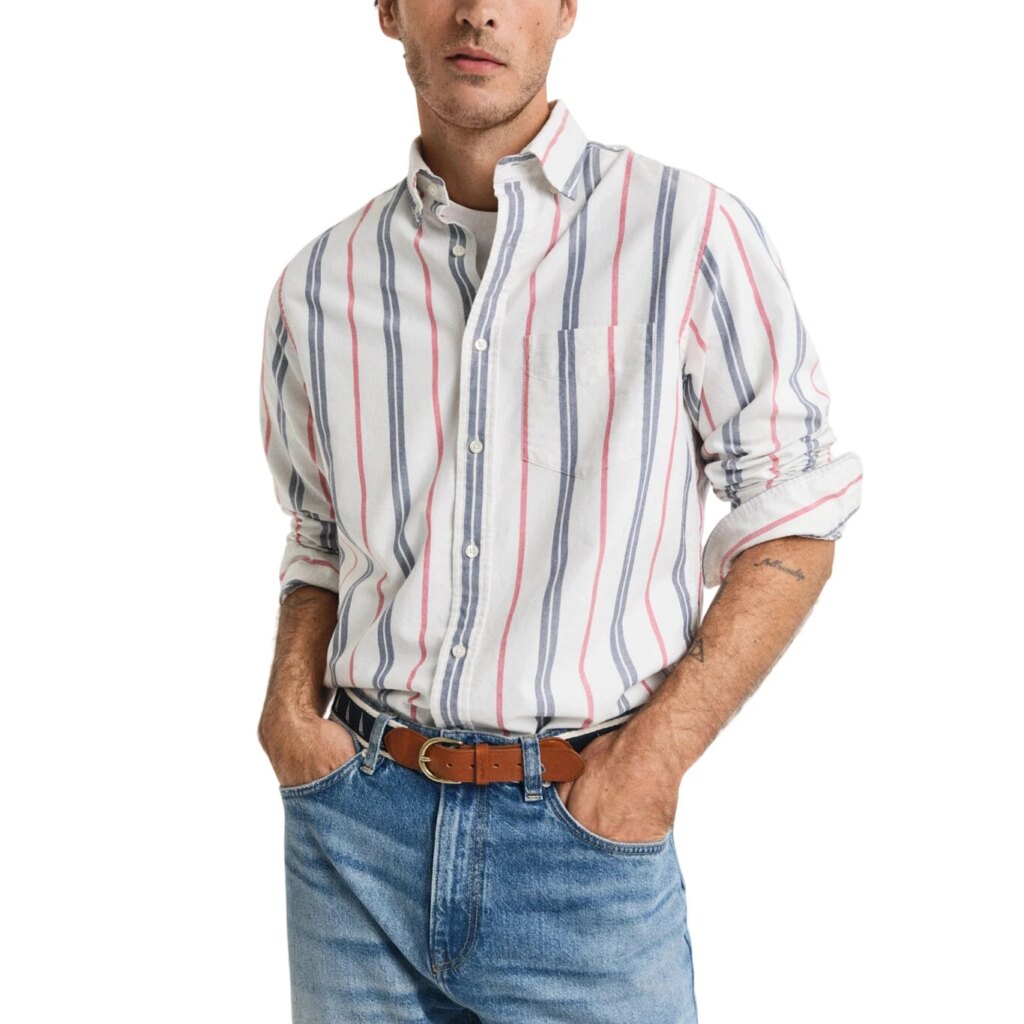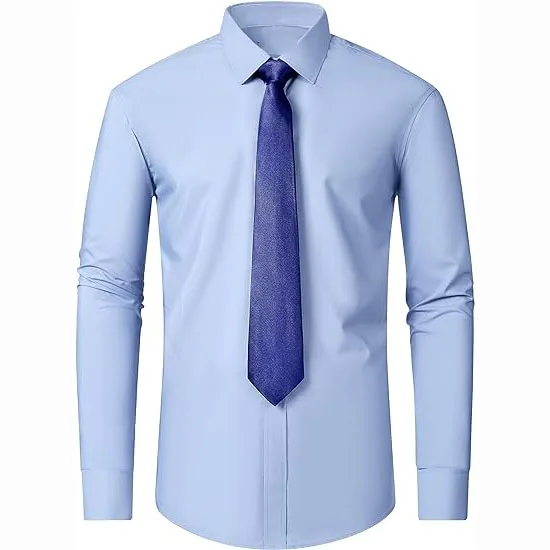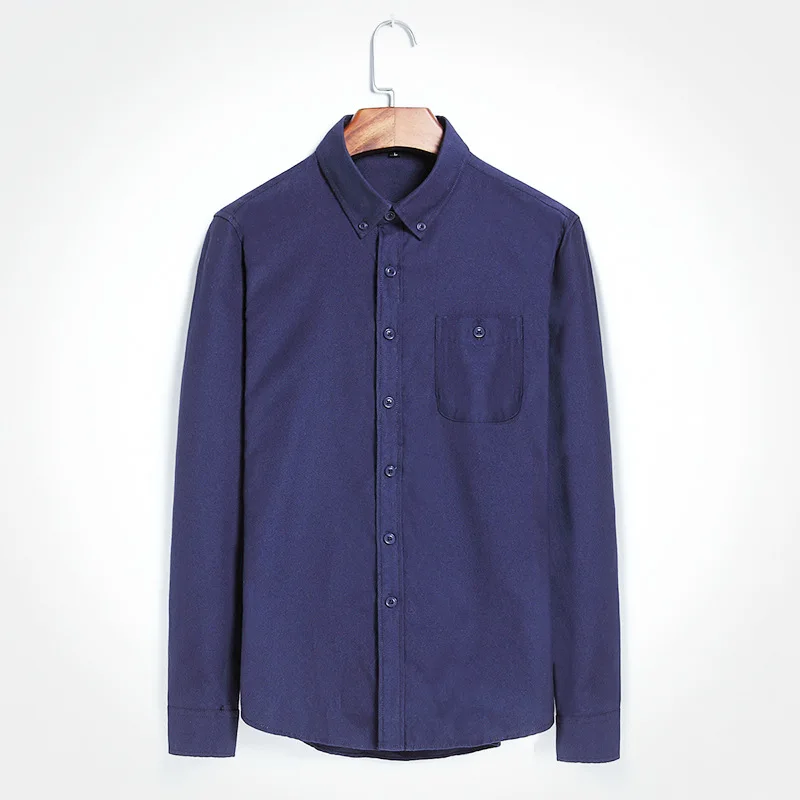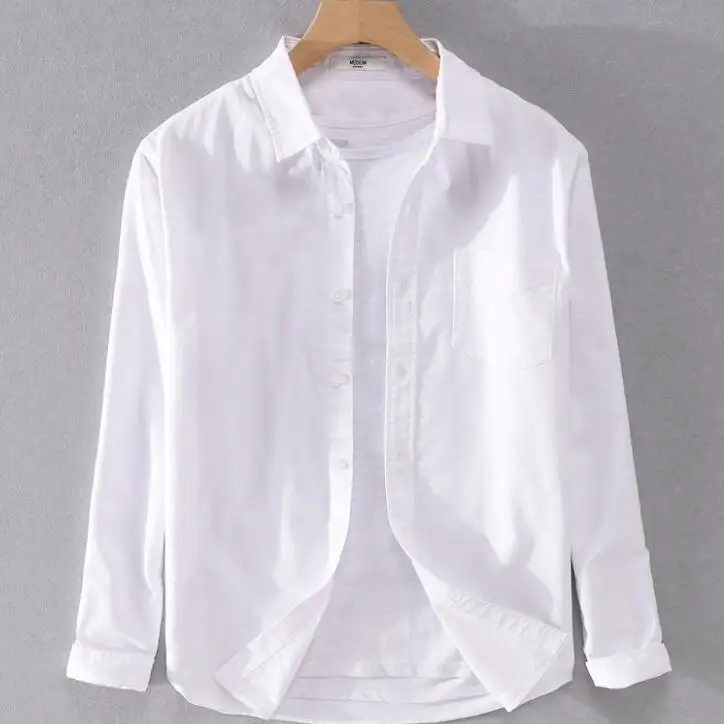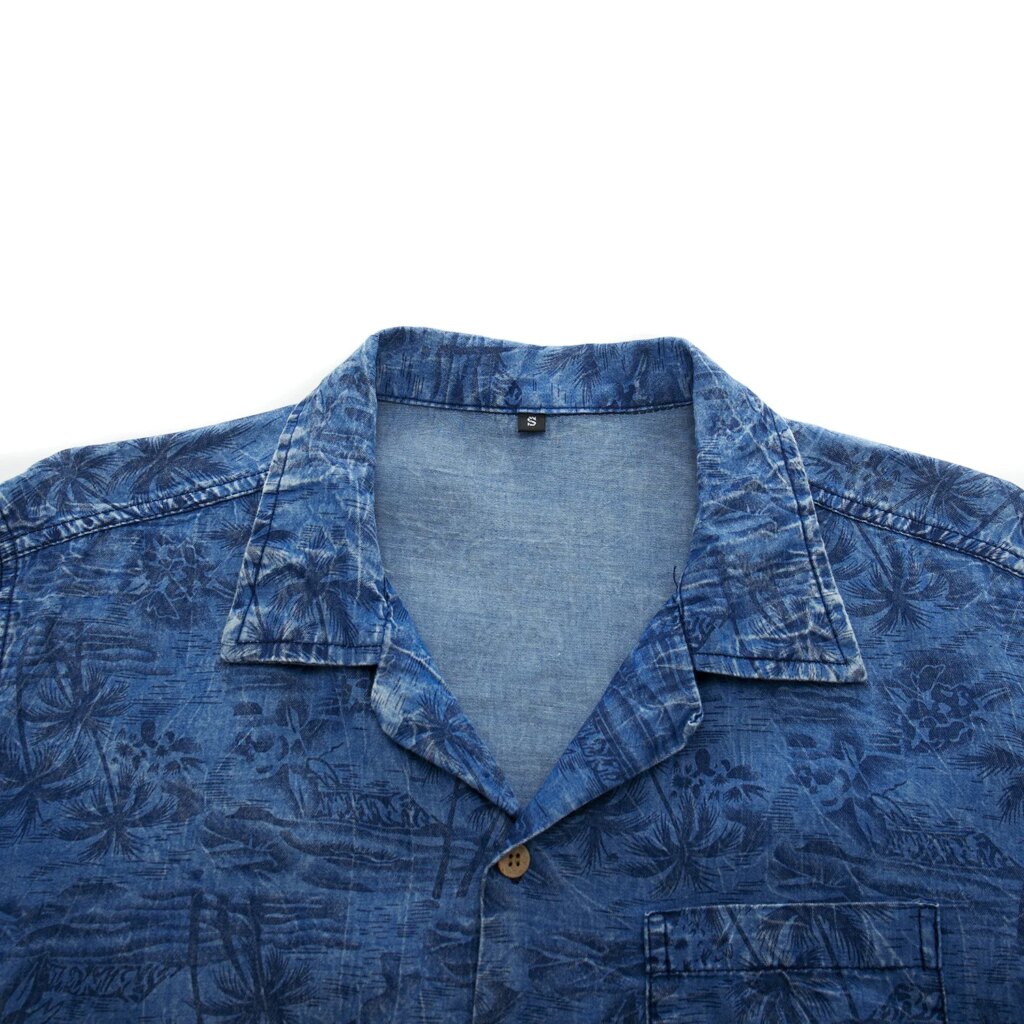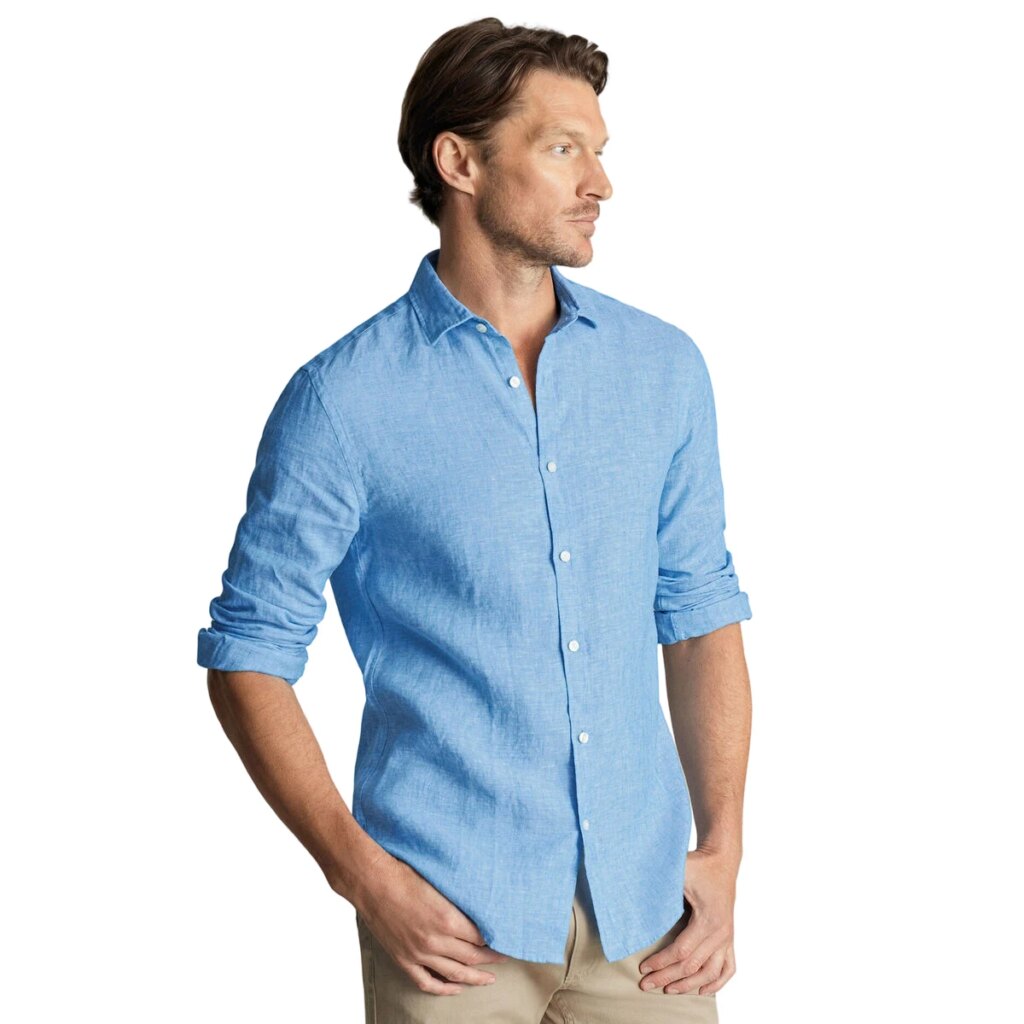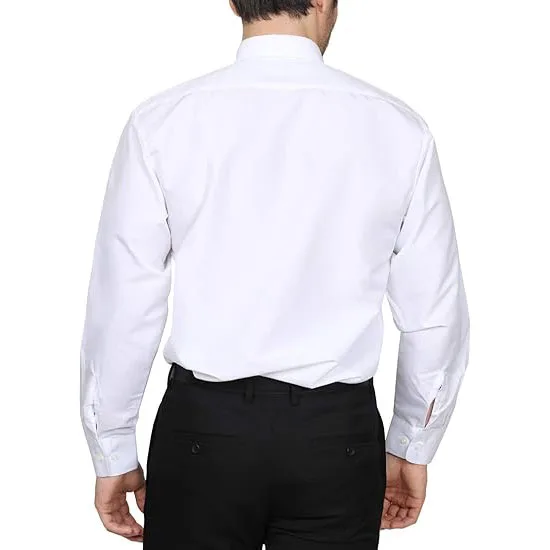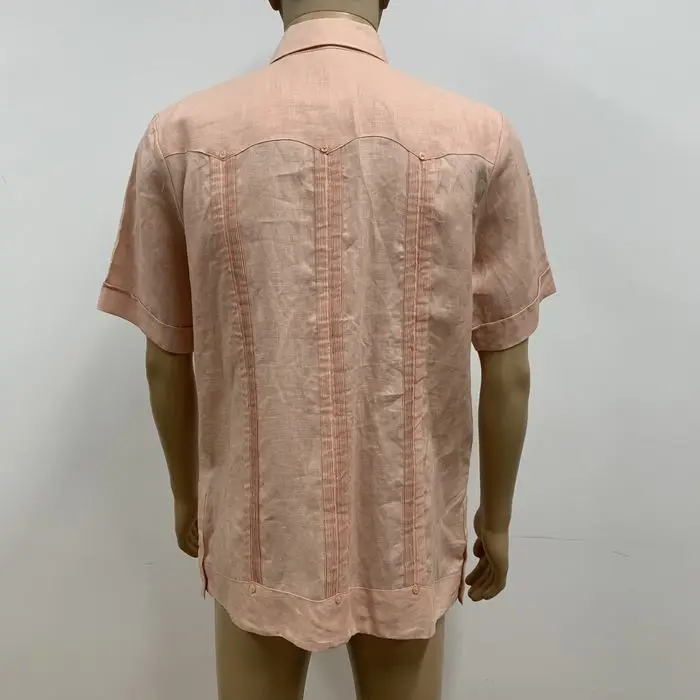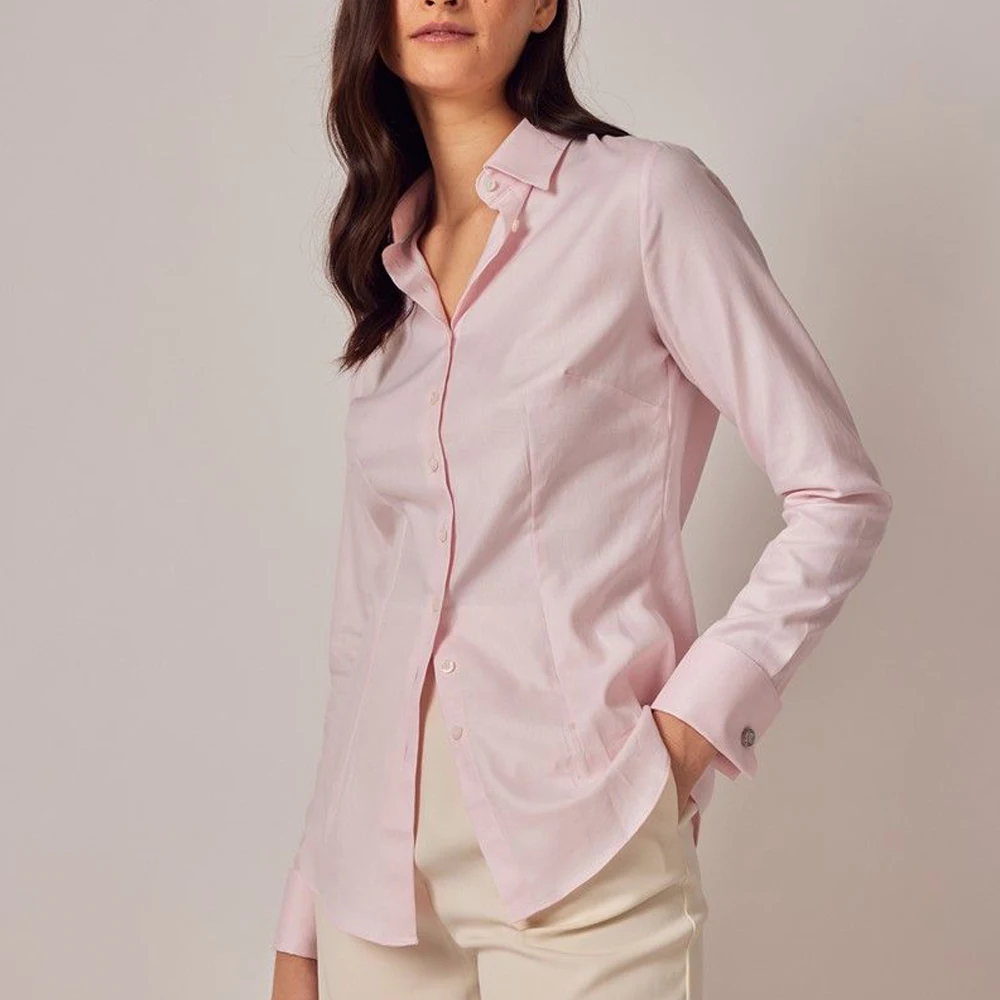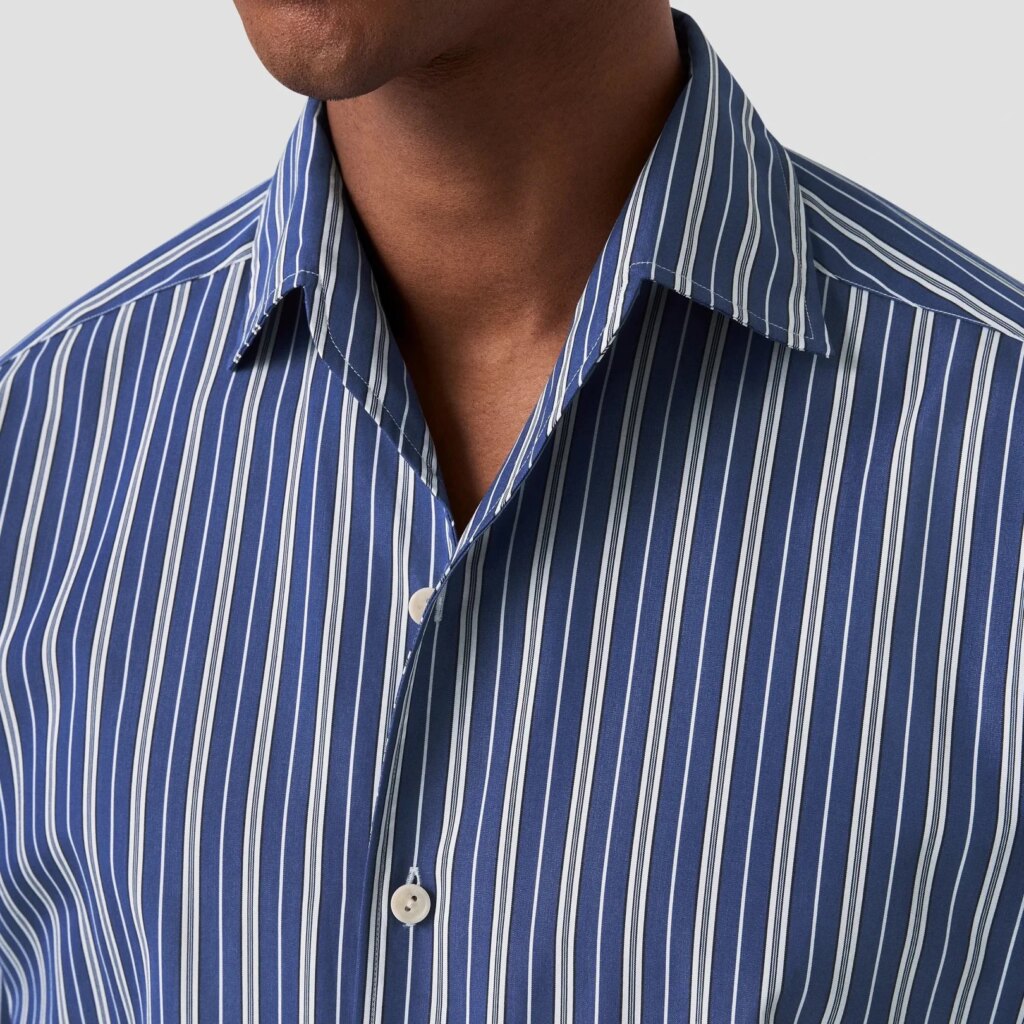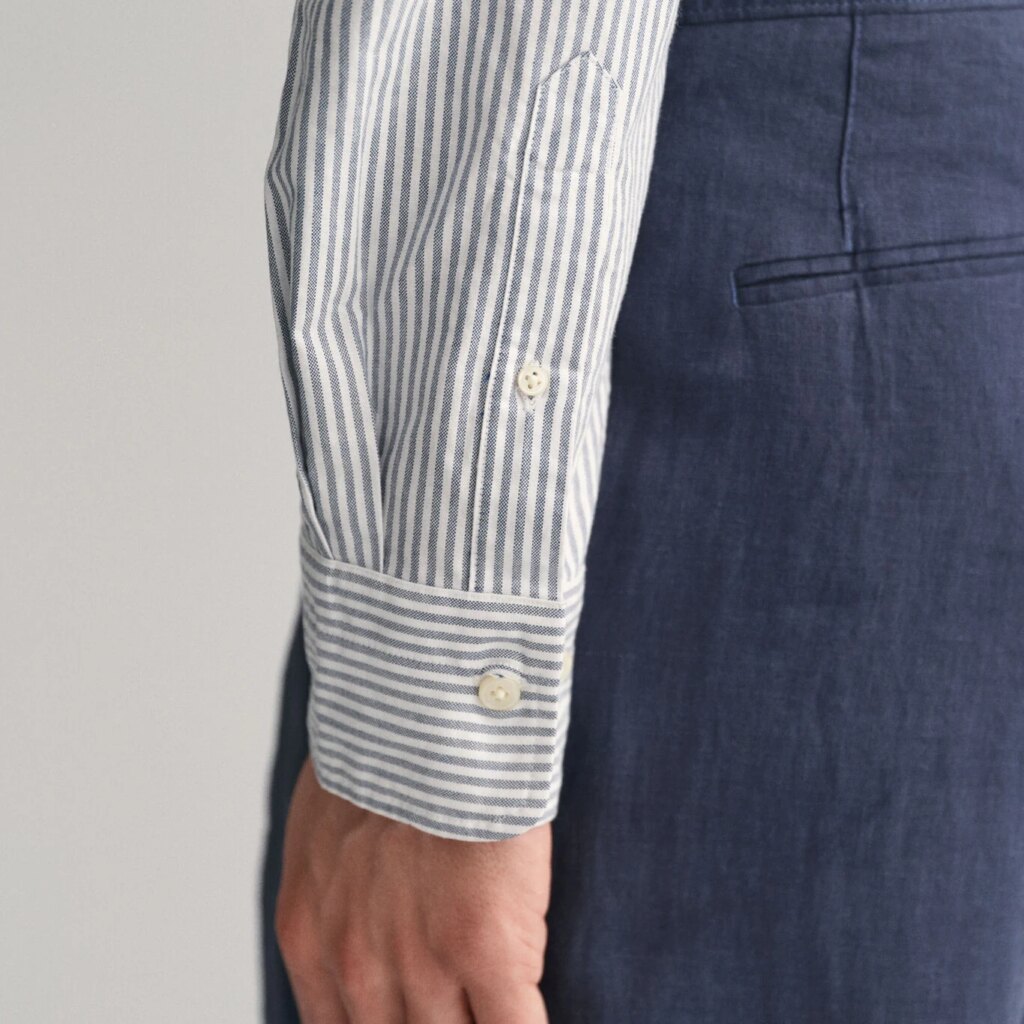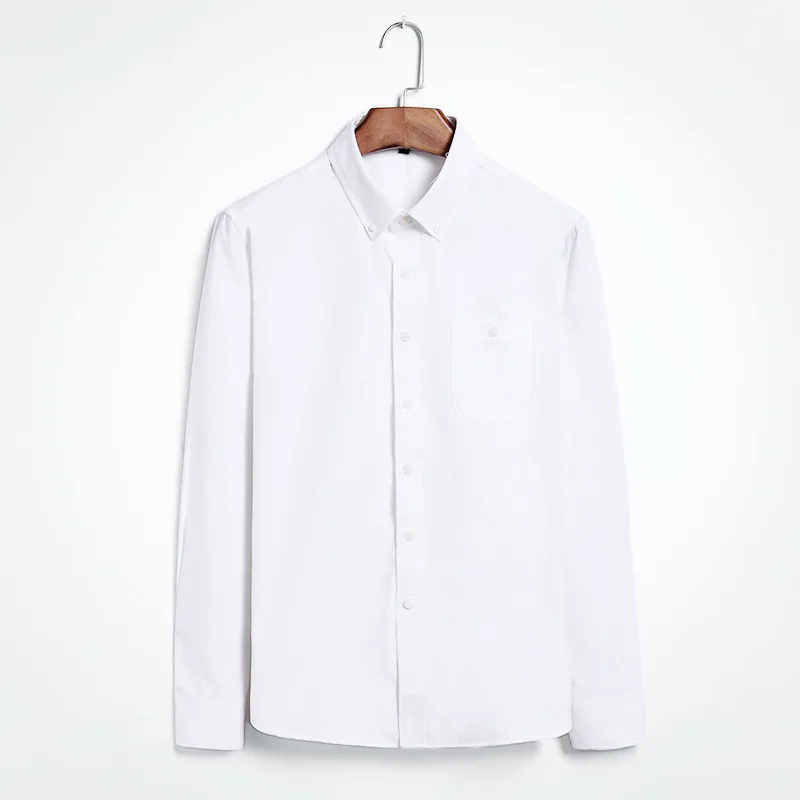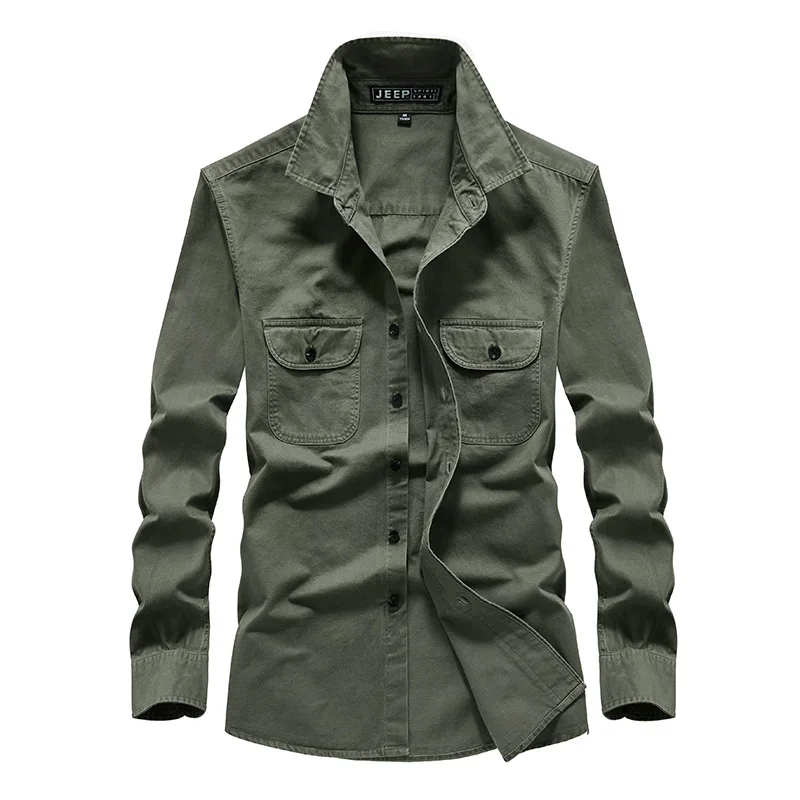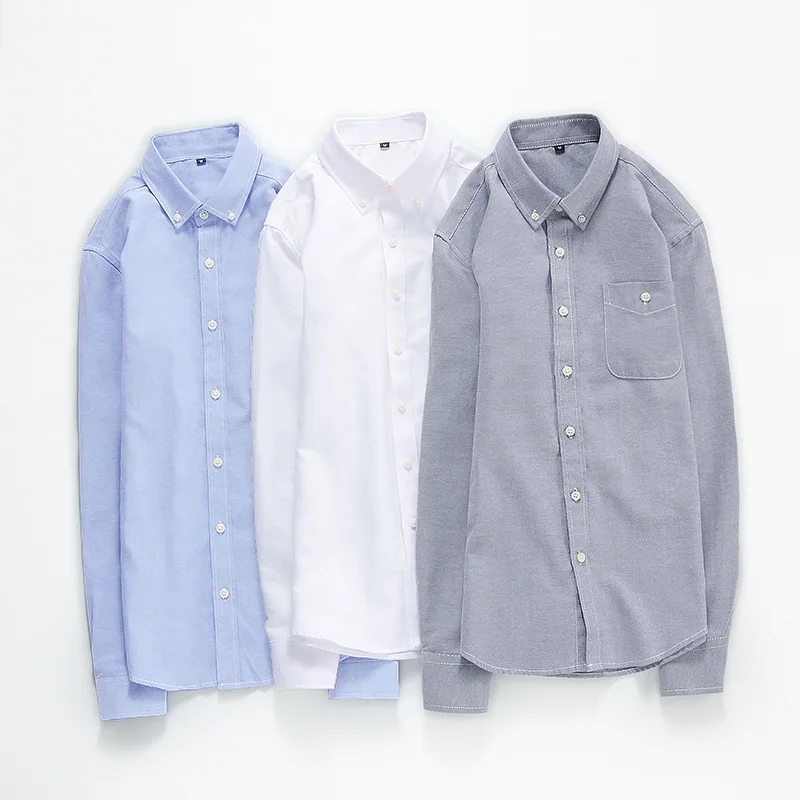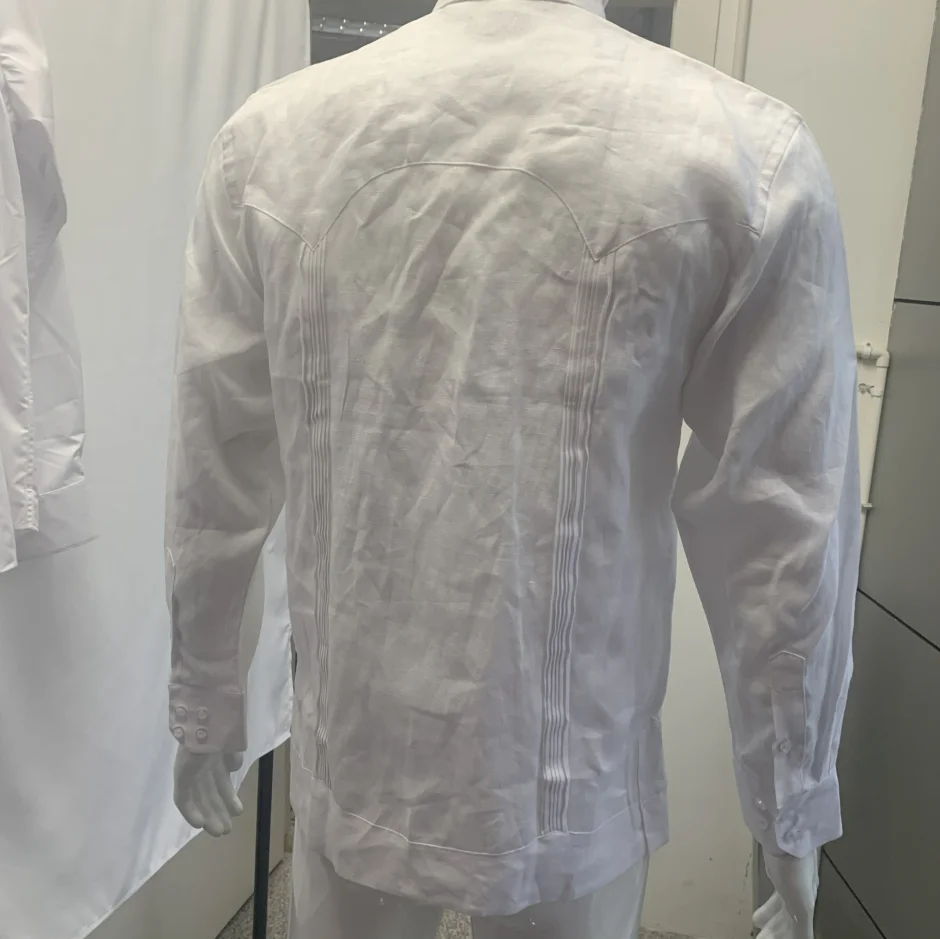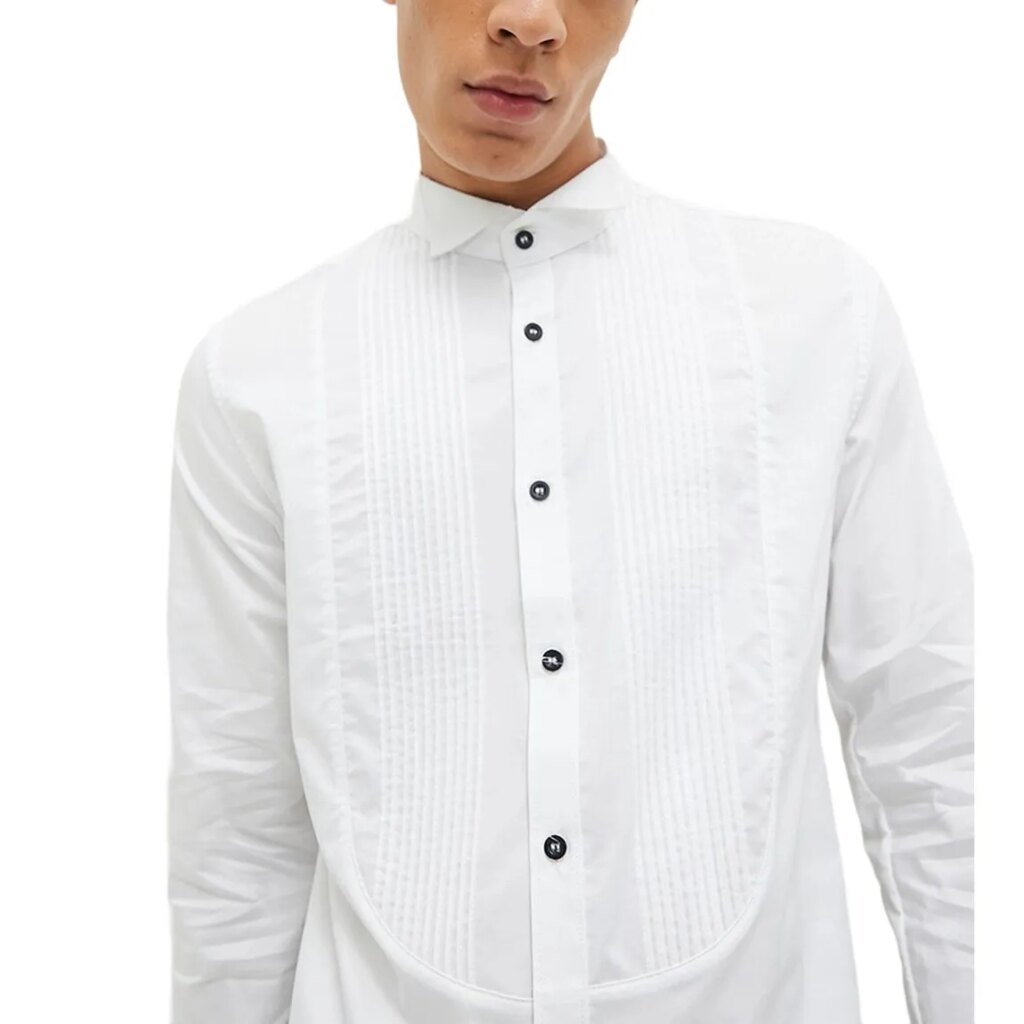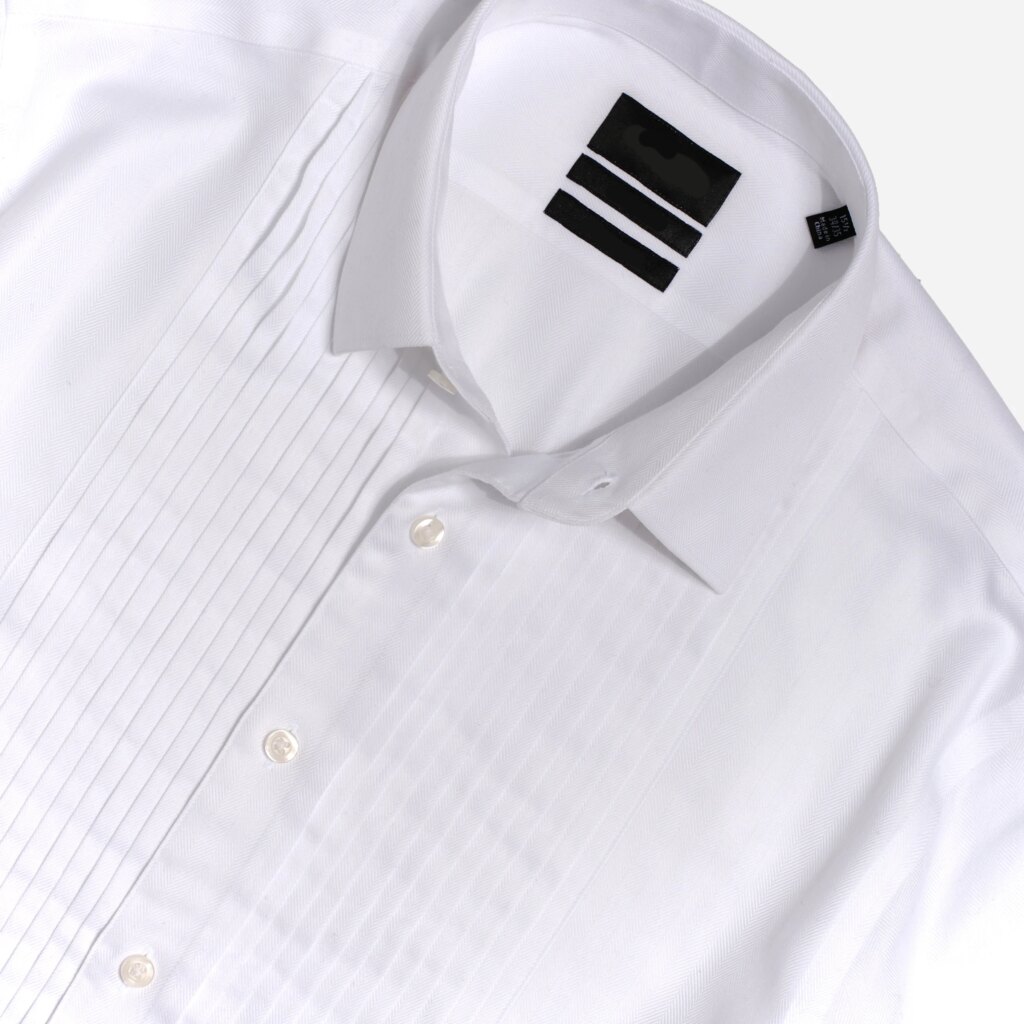
Planning Custom Wholesale Men’s Dress Shirts in China is an assortment exercise. Overseas brands and wholesalers should design size runs, seasonal drop calendars, and multi-style matrices before chasing a single SKU’s relative cost.
KM is the kamushirt.com custom shirt manufacturer with a self-owned factory in Yiwu / Zhejiang supporting men’s casual, dress, linen, and oxford assortments via OEM/ODM, Pantone-matched print and embroidery, and free custom shirt samples under typical conditions. Site materials reference manufacturing experience since 1984. Structured inquiries go to p.yang@kamushirt.com. This guide treats KM guidance as RFQ, sampling, and assortment-planning clarity – not as invented SKU lists, currency stickers, or certification claims.
In 2026, dress-shirt wholesale programs fail when size curves ignore sell-through, or when seasonal drops stack without capacity bookings. Relative cost bands (lean / lean-to-mid / mid / mid-to-higher) only compare when fabric families, constructions, Incoterms, packing, and sample paths match across the assortment.
No fake USD prices, invented ISO or GOTS badges, scraped competitor rankings, or award lists appear here.
Committees reviewing a Custom Wholesale Men’s Dress Shirts in China case with attention to size-run depth, style count, and drop cadence should log assumptions in one workbook: fit blocks, size curves, GSM and blends, wash care, labeling, and deferred styles. Angle: Men’s Dress Shirts (plural) wholesale programs: assortment building, size runs, seasonal drops.
Refuse rumor currency stickers and unverifiable badges. Connect each relative band discussion to a written tech pack and Incoterms line – including when KM helps structure the assortment RFQ conversation.
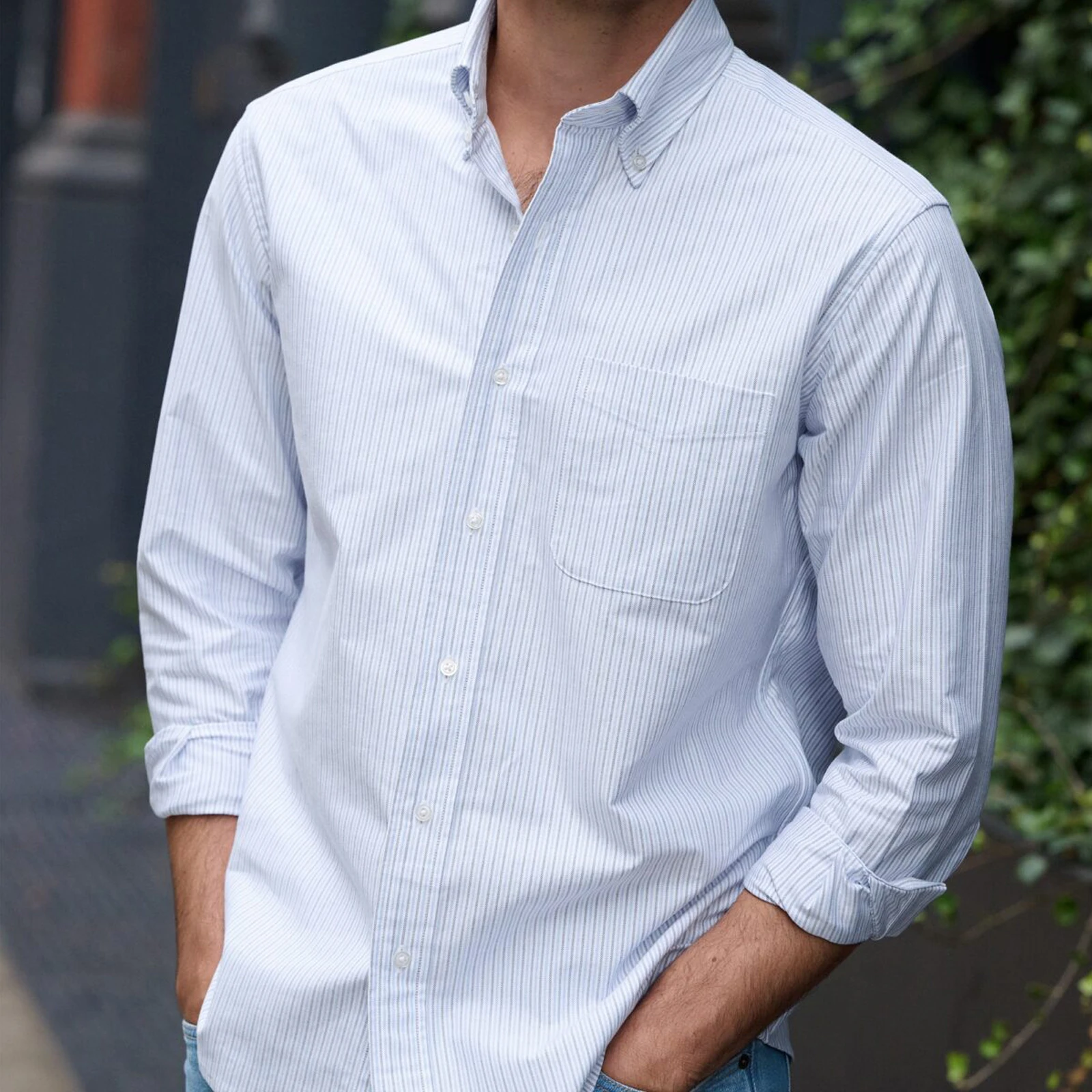
Assortment layers inside a Custom Wholesale Men’s Dress Shirts in China program:
| Assortment Layer | What to Plan | Buyer Fit | Relative Cost Notes |
|---|---|---|---|
| Core dress bodies | 1–3 base constructions repeated across seasons | Catalog stability | Often lean-to-mid when fabric clear |
| Seasonal color/pattern drops | Limited colorways or weaves per drop | Freshness without new patterns | More drops raise booking complexity |
| Size-run depth | US/UK curves across S–XXL or numeric | Wholesale sell-through | Skewed curves raise leftover cost |
| Fit variants | Slim + regular (and tall if needed) | Return reduction | Extra fits can move mid |
A Custom Wholesale Men’s Dress Shirts in China buyer who copies last year’s curve without sell-through data creates warehouse drag. Share historical size mix with the factory when asking for packing assortments.
Two or four drops per year change fabric booking and sewing capacity needs. State drop dates in the RFQ so lead times are honest.
Too many styles at thin depth raises MOQ floors. A credible Custom Wholesale Men’s Dress Shirts in China partner helps consolidate bodies while preserving color freshness.
Force every bidder to restate Incoterms, packing, sample rounds, and fabric GSM per style on one matrix. KM’s pattern is consistent assortment questions – without inventing peer rankings.
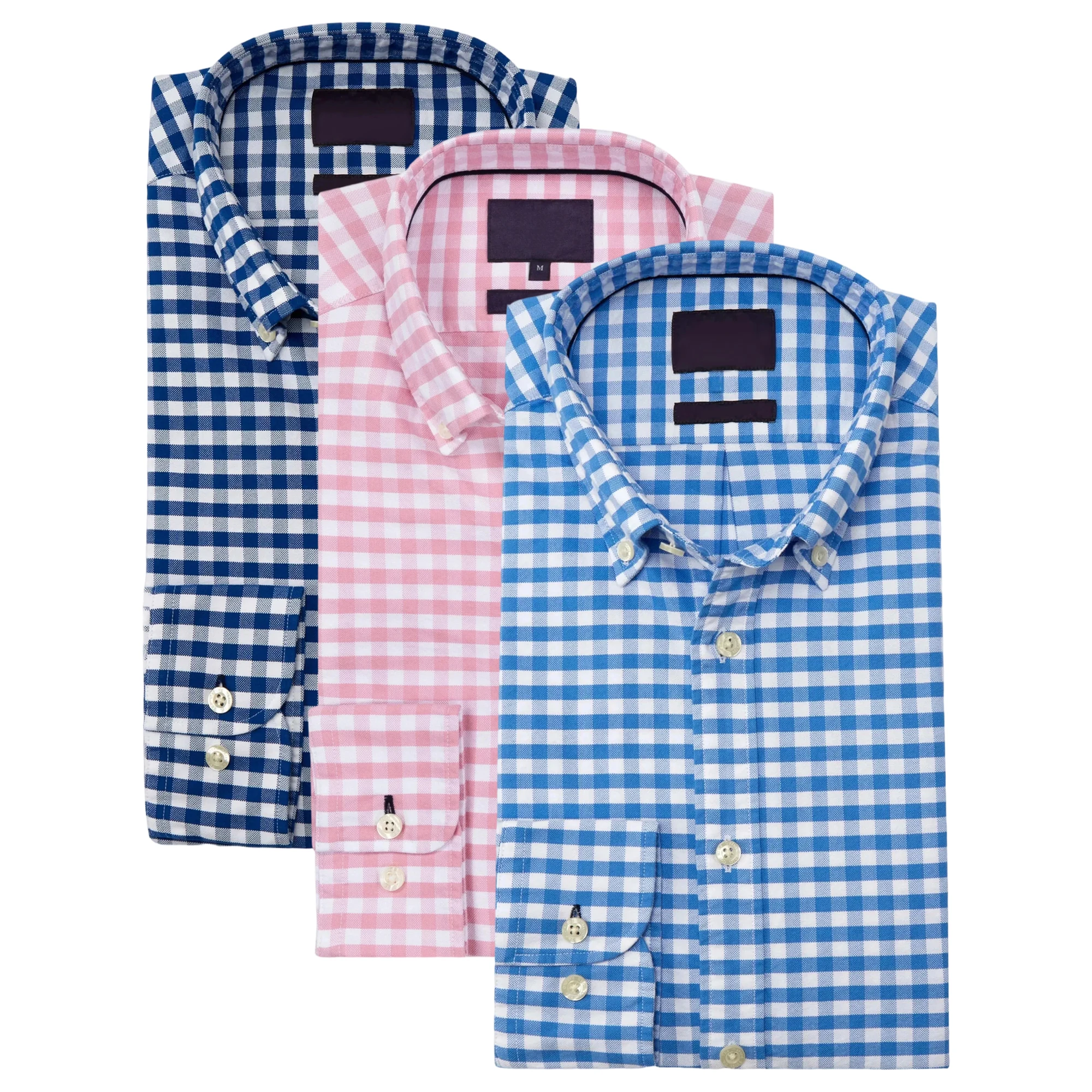
Assortment goals reshape who can deliver Custom Wholesale Men’s Dress Shirts in China.
| Buyer Situation | Factory Emphasis | Why | Diligence Notes |
|---|---|---|---|
| Multi-drop annual calendar | Capacity calendar honesty | Missed vessels kill seasons | Ask peak overlap with other clients |
| Wide size-run wholesale | Grading discipline + packing mix | Chargebacks on wrong ratios | Assortment packing SOPs |
| Slim + regular dual fit | Two fit blocks under one QC system | Return reduction | Separate sealed counters per fit |
| Core + fashion dress mix | Fabric family separation | Finish contamination risk | Line dedication or clear SOPs |
Map who approves fit samples per style, who owns fabric nomination, and who signs PP samples across the drop calendar.
Aggressive payment terms versus peers often correlate with subcontracting opacity – ask which factory sews each style in the assortment.
Documentation language should match your merchandising and warehouse teams.
Brands comparing poplin cores against seasonal twill drops under one Custom Wholesale Men’s Dress Shirts in China umbrella should model shared versus style-specific size charts and carton marks.
Shade continuity across reorders and drops deserves scorecard weight even when it nudges lean toward lean-to-mid.
Committees reviewing size-run and drop cadence should log fit blocks, GSM, wash care, labeling owners, and deferred styles. Angle stays: Men’s Dress Shirts (plural) wholesale programs: assortment building, size runs, seasonal drops.
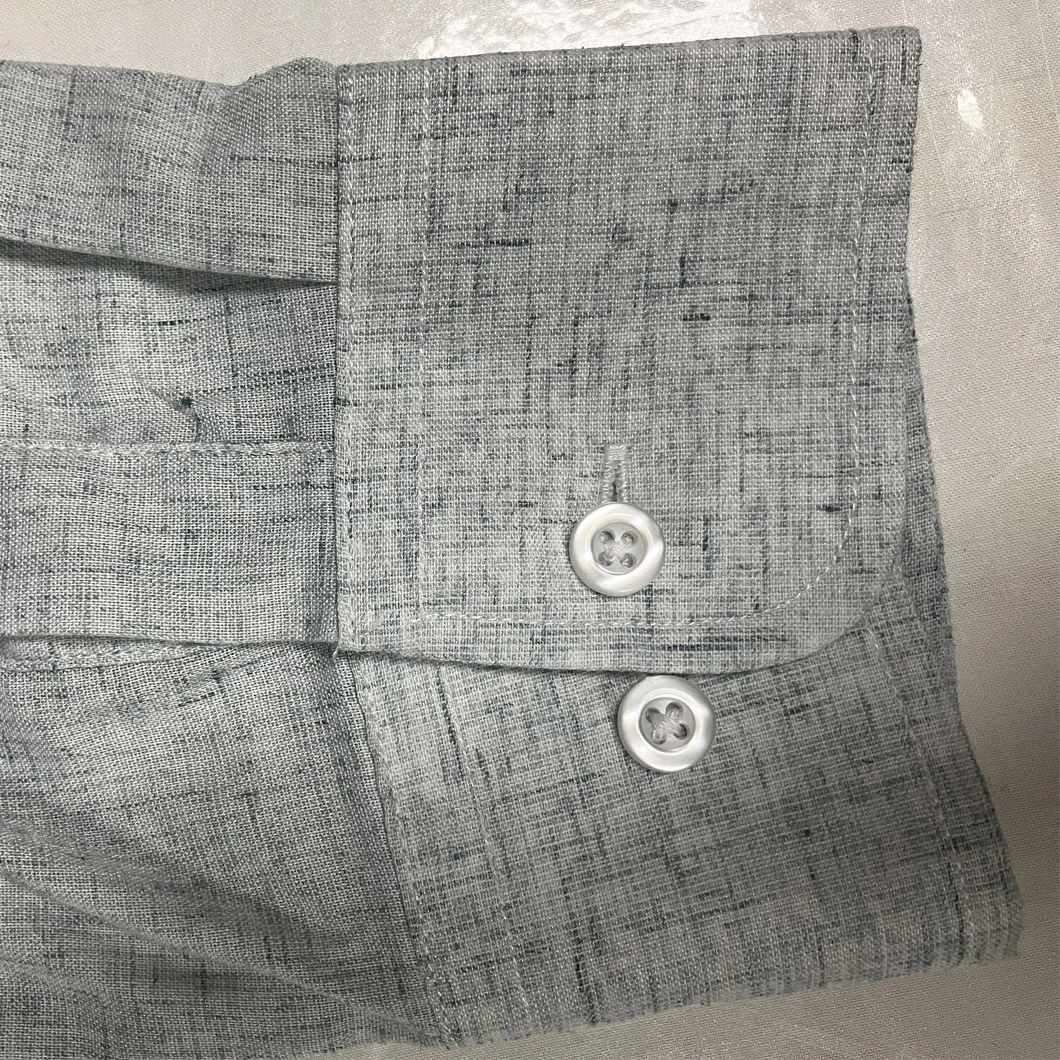
Failures recur when building Custom Wholesale Men’s Dress Shirts in China assortments.
The Problem: Merchandising opens twelve dress styles; each hits MOQ with thin size runs. Leftovers and late fabric bookings follow.
The Solution: Freeze a style budget. Score written fabric cards, size curves, and claim paths before relative cost.
The Problem: Warehouse receives too many XL and too few M. Wholesale partners refuse reorder.
The Solution: Require historical sell-through or channel-based size mix on every packing protocol. KM-style commercial hygiene helps.
The Problem: Drop-2 fabric arrives after Drop-1 sewing slots filled. Calendar slips a full season.
The Solution: Demand capacity calendars and fabric booking milestones in the RFQ. Tie PP approval to bulk release per drop.
Root cause: awarding on lookbooks instead of assortment process. A serious Custom Wholesale Men’s Dress Shirts in China relationship restates every promise on a one-page matrix before deposit.
Secondary modes: skipping wash tests across fabric families, similar-GSM language without tolerance, and drifting US/UK grading. Fix with written tolerances.
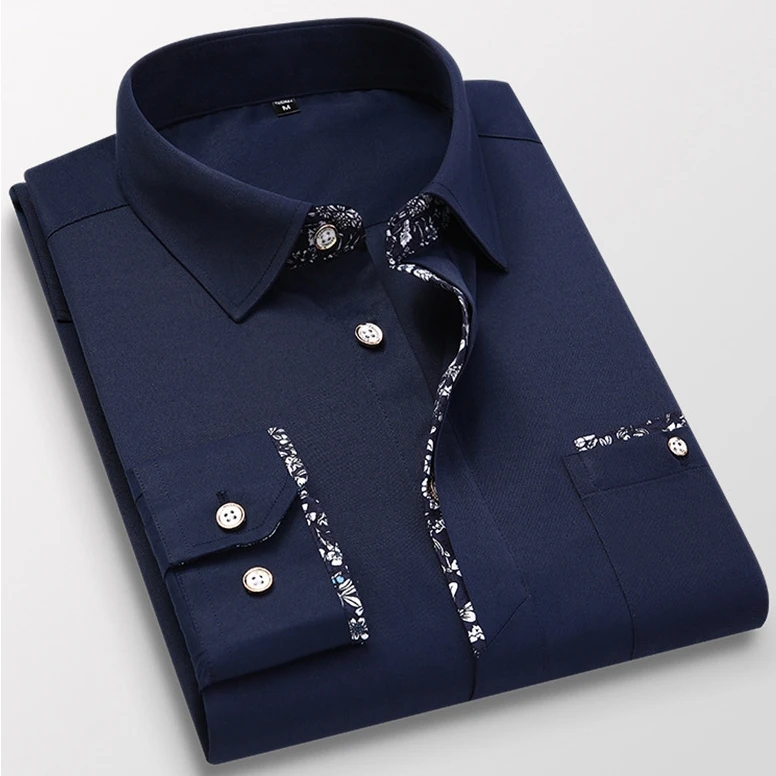
Diligence specs for Custom Wholesale Men’s Dress Shirts in China: legal entity, factory versus trade role, producing address, fabric composition and GSM per style, construction sheets, size charts with grade rules per fit, size-run ratios, drop calendar, Incoterms, packing assortment standards, sample timeline per style, and claim path.
Technical specs still matter, but assortment process quality decides whether bulk drops arrive coherent.
Ask for change-order examples: how style deletion, size-curve edits, or drop postponement are requoted.
Reference checks should focus on overseas multi-style dress-shirt programs. Ask how shade lots were managed across seasonal reorders.
Payment milestones should align with sample approval, fabric booking per drop, and shipping evidence.
Export packing photo protocols protect assortment programs: carton crush, moisture, mislabeled sizes, wrong size ratios.
QC escalation when one style in the assortment fails mid-bulk belongs in the commercial file.
For overseas Custom Wholesale Men’s Dress Shirts in China packages, insist fiber content, care symbols, and COO labeling appear as contractual lines per style.
Fit samples should be graded against nominated charts per fit variant.
Typical MOQ around 100 pieces per color per design is a starting point – confirm per style in the assortment. Free custom shirt samples may be offered; document inclusions.
Hygiene: decline rumor currency stickers. Relative cost bands compare matched scopes.
Log GSM, blend, wash care, labeling owners, and deferred styles for each drop.
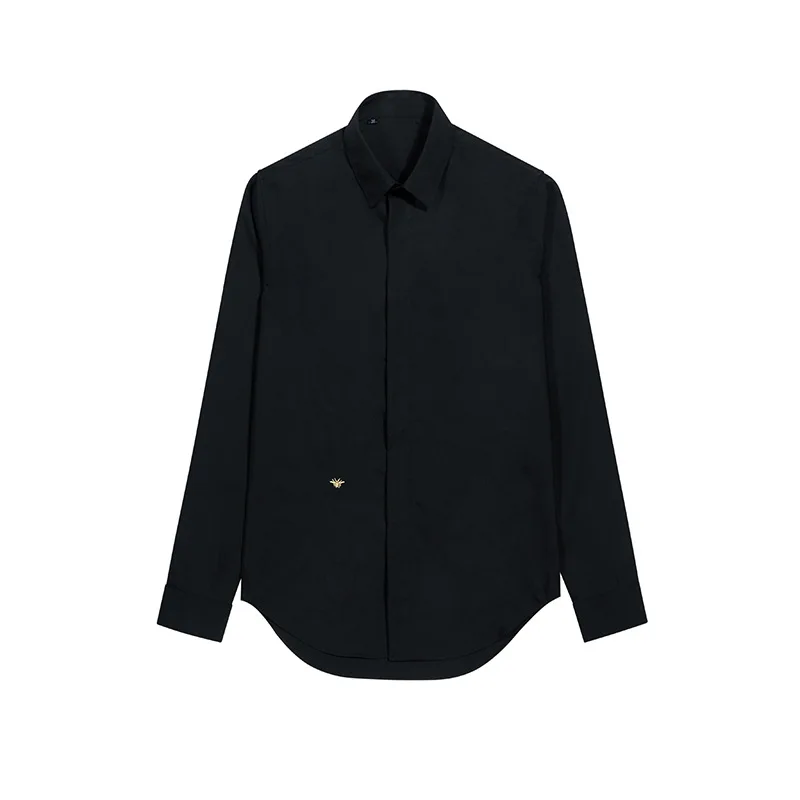
Educational review of Custom Wholesale Men’s Dress Shirts in China benefits from sealed samples per style, measurement reports, and packing standards across drops.
Ask about cutting, sewing organization, finishing, and embellishment ownership. Geometry evidence across the assortment reduces surprises.
Documentation language and size-sticker coding affect receiving of multi-style shipments. Lead-time honesty on fabric mills per drop matters as much as unit relative cost.
After-sales channels belong beside the assortment tech pack. Verify claim windows per style.
Change-control after PO: how quickly style swaps or size-curve edits are requoted. Structured RFQs including KM make behaviors visible early.
Lead-time credibility improves when RFQs list complete size runs and drop dates. Incomplete curves force requotes that miss vessels.
Photo protocols for bulk cartons – size assortment photos per style, shade lot tags, carton marks – matter when claims arrive.
In-line and final inspection habits across concurrent styles matter. Ask about written standards and third-party inspector access.
Hygiene for Custom Wholesale Men’s Dress Shirts in China: decline rumor currency stickers. Relative cost bands compare matched scopes.
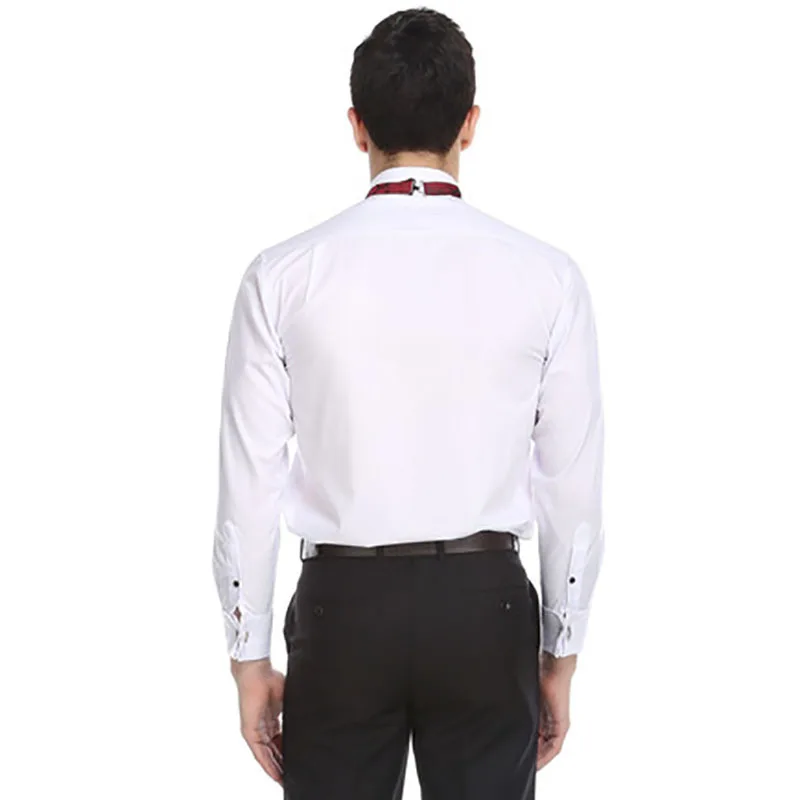
Scorecard for Custom Wholesale Men’s Dress Shirts in China:
Step 1 – Role disclosure. Factory / trader / agent; producing address for bulk.
Step 2 – Assortment restatement. Style list, must / nice / defer restated by supplier.
Step 3 – Fabric & construction per style. Composition, GSM, weave, collar/placket/cuff, trims.
Step 4 – Size runs & fits. Curves, slim/regular blocks, packing mix rules.
Step 5 – Drop calendar. Dates, fabric booking milestones, capacity confirmation.
Step 6 – Sampling path. Proto, fit, PP per style; sealed counters; owners.
Step 7 – Incoterms & packing. Explicit terms + assortment photo protocol.
Step 8 – QC & claims. Inspection standard and remake/credit path for the Custom Wholesale Men’s Dress Shirts in China package.
Step 9 – Decision log. Why the chosen relative cost band won across the assortment. Include KM or parallel bidders on one matrix.
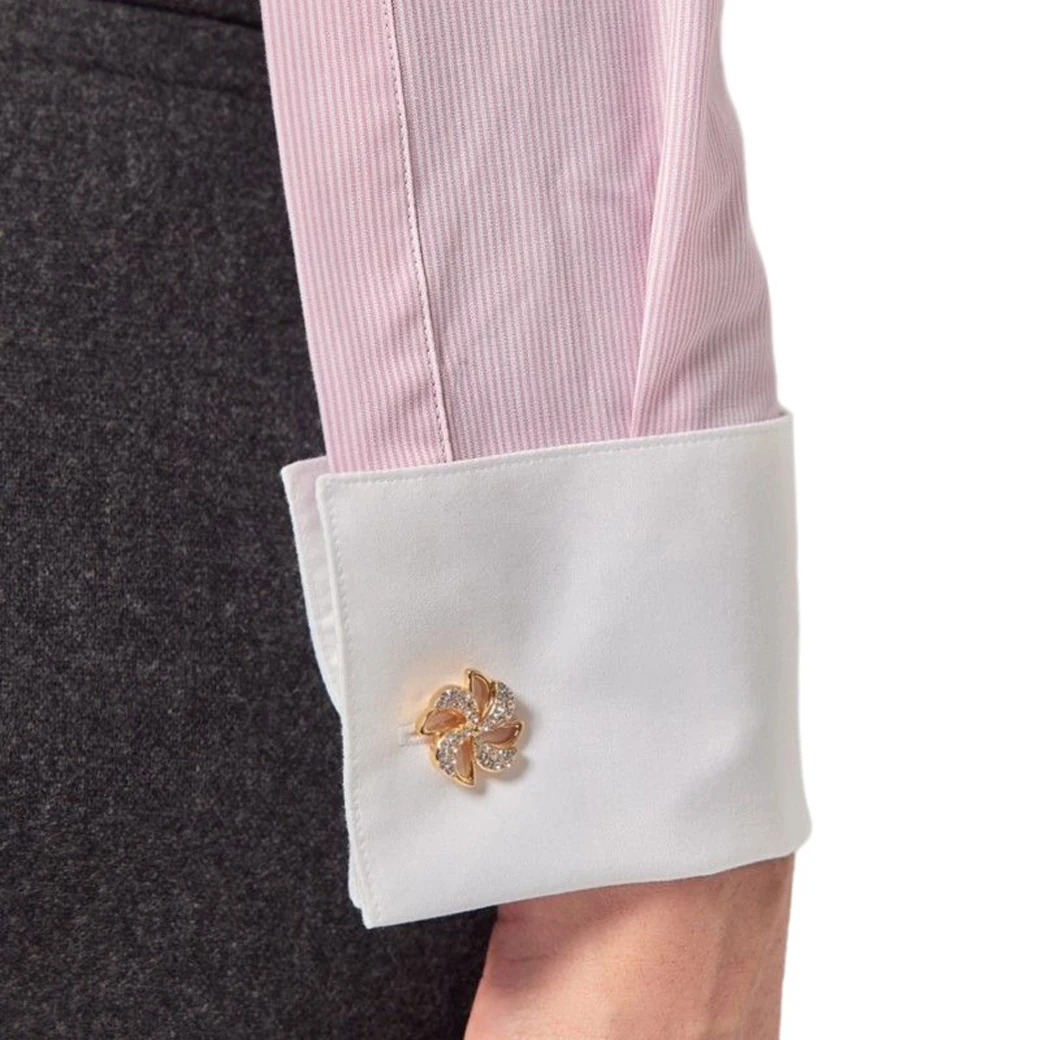
Relative cost bands (educational only): Across Custom Wholesale Men’s Dress Shirts in China models, core cotton poplin or twill assortments from transparent factories often sit lean-to-mid when fabrics and size runs are explicit. Fashion weaves, dual fits, or multi-drop complexity can move mid or mid-to-higher. Opaque trader quotes that undercut peers without factory disclosure look lean but carry diligence risk.
Ownership thinking covers fabric per style, cutting, sewing, finishing, packing, logistics, duties, sampling rounds, and return exposure across the assortment.
Incoterms allocate freight and insurance. Align before labeling either path cheaper.
Sampling clarity moves total assortment cost. Request written schedules covering each style and what free custom shirt samples include.
Hidden costs include grade-rule corrections, fabric overages, wrong size-mix leftovers, wash tests, and overtime near vessel cutoff.
Phased buying by drop protects cash. Fake lean bands appear when Drop-2 fashion styles are hidden from the first approval slide.
Scenario pricing: core three-style dress assortment, core-plus-slim fit, and four-drop seasonal plan under identical Incoterms.
Typical MOQ around 100 pieces per color per design shifts band economics across the style count. Confirm per style.
Log fabric families, GSM, wash care, labeling owners, and deferred styles for Custom Wholesale Men’s Dress Shirts in China packing and shade continuity reviews.

Path alternatives for men’s dress shirt assortments:
| Path | Relative Cost Profile | Pros | Cons / Risks |
|---|---|---|---|
| Single factory full assortment | Often lean-to-mid when clear | One QC system, shared size charts | Capacity risk in peak |
| Core factory + fashion satellite | Varies; mid on fashion | Specialization | Handoff and claim-path complexity |
| Trader-built assortment | Can look lean | Breadth | Opacity on who sews each style |
| Agent + nominated factories | Coordination margin | On-ground multi-drop QC | Confirm contract risk |
Many overseas brands keep core Custom Wholesale Men’s Dress Shirts in China styles factory-direct with KM-style diligence while piloting fashion drops elsewhere. Hybrid works when scopes and claim paths are explicit. KM’s spotlight is diligence pattern – not invented rankings.
Cheapest channel is not lowest total assortment cost.
Nearshore alternatives may sit mid-to-higher with shorter lead times; score on the same matrix.
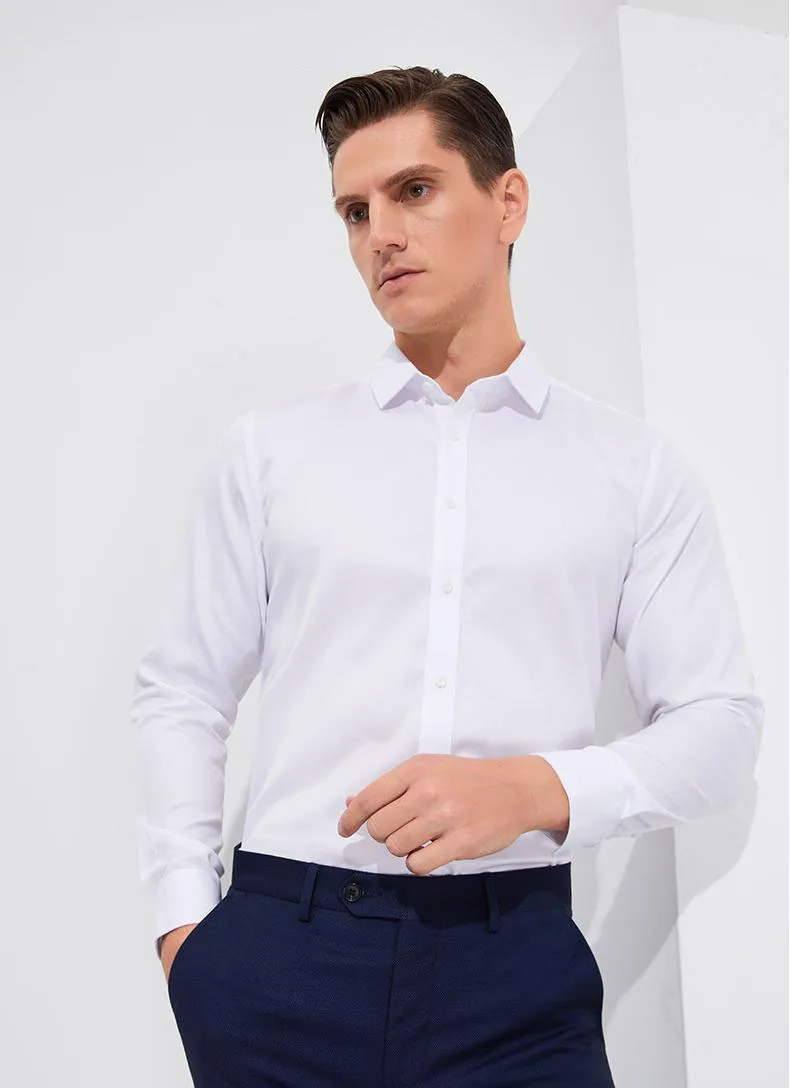
Vocabulary for Custom Wholesale Men’s Dress Shirts in China diligence:
Assortment the planned set of styles, colors, fits, and sizes in a wholesale program.
Size run / size curve quantity mix across sizes for sell-through and packing.
Seasonal drop timed release of colorways or styles within a year.
Fit variant slim, regular, tall, or other blocks under related style codes.
Core versus fashion repeatable bodies versus limited seasonal expressions.
OEM / ODM buyer-owned versus factory-contributed design; ownership in writing.
GSM / tech pack / PP sample fabric weight, construction bible, and bulk gate.
Size grading US or UK expansion rules from a base size.
FOB, CIF, EXW, DAP Incoterms shifting freight and insurance.
Минимальный объем заказа often about 100 pcs per color per design as a typical reference – confirm per style.
Pantone matching shared color standard across the assortment.
Assortment packing size and style mix rules inside cartons.
Claim path / AQL remake-credit rules and inspection acceptance.
Relative cost band lean / lean-to-mid / mid / mid-to-higher – never a fixed currency price.
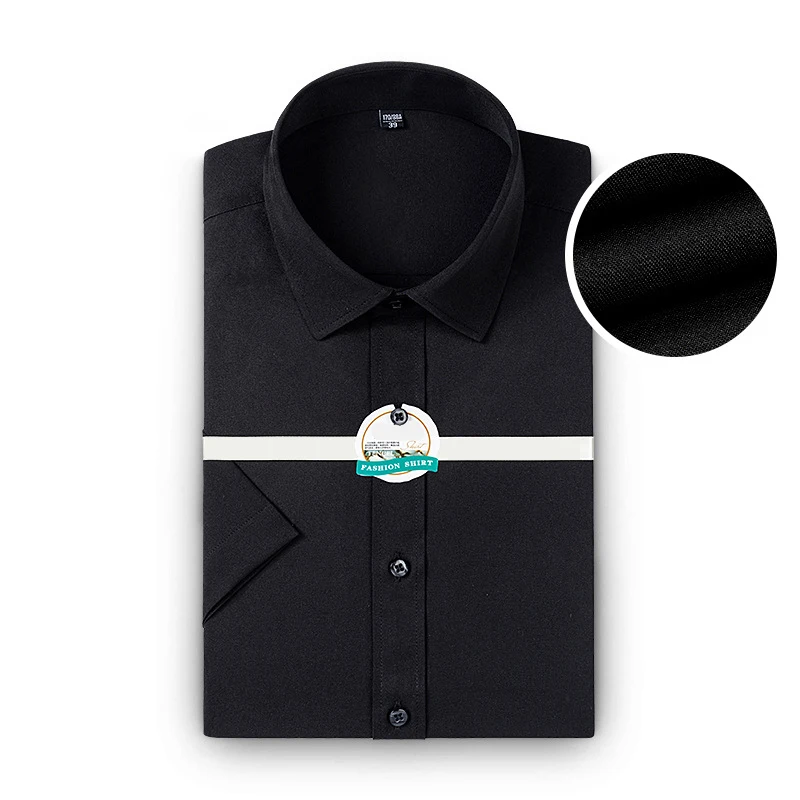
Lead-time pressure on Custom Wholesale Men’s Dress Shirts in China packages in 2026 follows mill bookings and peak sewing slots across multi-drop calendars. Complete RFQs with frozen style lists capture capacity.
Freight and currency rearrange landed cost without changing shirts. Align Incoterms before ranking sheets.
Cotton and blend markets plus Zhejiang labor reshape assortment cost. Mid bands with clearer size-run control can beat lean unfamiliar platforms once leftover risk is modeled.
Labeling rules complicate multi-style cross-border programs. Export-experienced factories treat document packs as workflow.
Embroidery and print calendars influence logo-heavy styles inside the assortment. Core private-label dress styles usually stay negotiable lean-to-mid.
Competitive intensity keeps well-specified assortments reachable; unexplained undercuts deserve scrutiny. Refresh near order time.
Committees studying Custom Wholesale Men’s Dress Shirts in China face tighter documentation requests across styles. Measurement archives and shade records separate mid-band winners from lean packages that stall audits.
Fabric volatility keeps operating-cost models alive after award.
Hygiene: decline rumor currency stickers. Anchor every band talk to tech packs and Incoterms – including when KM helps keep RFQ framing consistent.
Wholesale merchandisers evaluating Custom Wholesale Men’s Dress Shirts in China should model how returns feedback loops into the next drop’s size curve. A quiet mid-season return spike on sleeve length is cheaper to fix in Drop-2 grading than in a fire-drill chargeback meeting.
Capacity honesty across concurrent dress styles matters as much as fabric honesty. Ask factories how many men’s dress shirt lines can run in parallel without stealing finishing operators from PP-approved styles. Holiday blackout windows – Chinese New Year, Golden Week, peak vessel congestion – belong beside drop dates on the same RFQ page.
Assortment buyers should keep a living matrix of which dress styles share a fit block versus which need independent grading. Shared blocks lean sampling cost; forced sharing on incompatible silhouettes raises return risk. Private-label hangtag and care-label ownership across the assortment should be version-controlled so one outdated care symbol cannot trigger multi-style wholesale recalls.
A recurring assortment failure is awarding Drop-1 on samples while leaving Drop-2 fabric unbooked. Assortment credibility is a multi-drop habit. When sell-through data is thin for a new market, start with fewer styles and deeper size runs – depth beats breadth for first-year Custom Wholesale Men’s Dress Shirts in China programs.
Ask suppliers to restate size-curve percentages on packing forms rather than nodding verbally. Silent acceptance of a curve is not a printable packing SOP. For multi-country wholesale, confirm whether one size chart serves all destinations or whether UK and US graded samples must both be sealed.
In-line inspection across an assortment should sample every concurrent style, not only the hero SKU. Weak styles hide behind strong ones until warehouses open cartons. Third-party inspectors are easier to schedule when the RFQ already names inspection windows. Packing photo protocols should include carton interior shots showing size stickers and assortment mix per style.
Leftover economics deserve a line on the finance brief: estimate the relative cost of wrong-size leftovers versus paying for a clearer size curve and packing audit. Mid relative bands with better assortment control often win that math. When comparing trader and factory paths, normalize for how many styles each bidder can sample in parallel without stretching lead times.
Some brands split core dress poplin to one Zhejiang factory and fashion twills to another. That works only when size charts, claim paths, and label packs are explicit per house – otherwise assortment coherence collapses. KM’s diligence pattern is identical MOQ, size-curve, and packing questions across the bid set so relative cost bands remain meaningful.
Buyers planning Custom Wholesale Men’s Dress Shirts in China for 2026 should watch how wholesale partners demand more SKU-level documentation. Factories that already archive measurement and shade data may feel mid-band on unit slides but leaner on soft cost. Energy and labor movements do not justify skipping sealed counters – process discipline remains the cheapest insurance against assortment failure.
Document who inside your company owns the assortment freeze date. Factories cannot protect lead times against a merchandising team that keeps adding colorways after fabric booking. Archive drop freeze decisions beside Incoterms and sealed sample references so staff rotation does not erase institutional memory.
Style list, size curves, fit variants, drop calendar, fabric/GSM per style, Incoterms, packing mix, sample path, and claim rules. For Custom Wholesale Men’s Dress Shirts in China decisions, put answers on tech packs rather than tribal knowledge.
Skewed curves create leftovers that erase thin unit savings. Model size mix beside MOQ floors.
No fabric GSM per style, extreme undercuts, unclear Incoterms, missing size grading, refusal of sealed samples, verbal drop calendars only.
KM is a self-owned custom shirt factory partner for OEM/ODM men’s programs – use the spotlight for RFQ, sampling, and assortment clarity, not invented certifications. Contact p.yang@kamushirt.com.
Several on one matrix with identical style, size-run, and packing assumptions.
No – build your own scorecard from tech packs, samples, and commercial terms.
Align with sample approval, fabric booking per drop, and shipping documents. Extreme front-loading is a flag for any Custom Wholesale Men’s Dress Shirts in China award.
Size assortment rules per style, carton marks, moisture care, and photo evidence. Document before deposit.
KM is the kamushirt.com custom shirt manufacturer with a self-owned factory in Yiwu / Zhejiang supporting men’s casual, dress, linen, and oxford assortments via OEM/ODM, Pantone-matched print and embroidery, and free custom shirt samples under typical conditions. Site materials reference manufacturing experience since 1984. Structured inquiries go to p.yang@kamushirt.com. On a Custom Wholesale Men’s Dress Shirts in China topic, read this spotlight as guidance for assortment RFQ structure, size-run honesty, drop-calendar discipline, sampling, Incoterms, packing, and QC – not as a fabricated SKU catalog, USD price list, or certification claim.
KM supports men’s casual, dress, linen, and oxford shirt programs, plus women’s and children’s shirt capabilities and corporate, promotional, uniform, and premium dress-shirt use cases. Fabrics include cotton, polyester, linen, and blends; printing and embroidery with Pantone matching. Free custom shirt samples and typical MOQs often around 100 pieces per color per design are starting points to confirm per style. Location: Yiwu / Zhejiang, China. Contact: p.yang@kamushirt.com.
A strong assortment RFQ lists fabric and GSM per style, construction, size charts and curves, drop dates, embellishment needs, Incoterms, packing and labeling rules, sample path, and must/nice/defer options.
Apply honesty tests: option lines in writing, packing and care-label language, claim rules, size-chart ownership, and schedule credibility. Do not award on rumor USD figures, scraped rankings, or invented certificates.
Structured inquiries remain welcome. Learn more at https://www.kamushirt.com/.
Selecting a Custom Wholesale Men’s Dress Shirts in China partner means scoring assortment honesty, size-run clarity, drop-calendar credibility, sampling, QC, Incoterms, packing, and claim path – not lookbook gloss. Relative cost bands only after scopes match.
Parallel diligence matrices reduce arrival surprises across styles.
Inquire with KM for structured commercial dialogue using your style lists, size curves, drop calendars, and destination labeling needs.
Name owners of fit approval, fabric nomination, size-mix, and packing compliance for any Custom Wholesale Men’s Dress Shirts in China award.
Require every bidder to restate must/nice/defer lists on their forms. Silence is ambiguity.
Brief finance with relative cost band language. Angle note: Men’s Dress Shirts (plural) wholesale programs: assortment building, size runs, seasonal drops.
Archive deferred styles, chosen Incoterms, sealed sample references, size-curve decisions, and band rationale.
Keep clarification questions identical across the Custom Wholesale Men’s Dress Shirts in China bid set.
Finally, archive awarded tech packs, Incoterms, packing protocols, and sealed sample criteria beside the PO for the next merchandiser two seasons later.
Educational B2B context only. Nothing on this page is a binding offer, published price list, stock listing, product certificate, or legal opinion. Commercial outcomes for custom wholesale men’s dress shirt assortment programs depend on fabric, construction, options, Incoterms, logistics, currency, schedule, MOQ, and negotiation.
Treat any fixed currency rumor, competitor ranking, discount promise, or certification assertion on educational pages as unverified. Relative cost bands are comparison language only. Collect formal written quotations before award.
Product scope and terms change. Verify details with the contracting manufacturer – KM when the inquiry concerns their custom shirt offerings – rather than relying on educational summaries. Confirm current coverage, sample policy, and MOQ on each RFQ.
Readers accept that contracting parties carry final commercial responsibility and that independent technical, quality, and legal diligence remains necessary for apparel sourcing decisions.